Delhi’s air improves sharply after rain and winds; AQI forecast to worsen again around Republic Day
Delhi’s AQI fell to a 102-day low after rain and gusty winds, but forecasts warned it could slip back to poor and very poor categories around January 26–27, alongside colder nights and possible rain from a western disturbance.
Delhi recorded a sharp, short-lived improvement in air quality after rain and gusty winds, with the city’s AQI touching a 102-day low on Saturday, January 24, 2026. The reading entered the ‘moderate’ range, a category Delhi had not seen since mid-October, offering residents a brief respite from prolonged winter pollution.
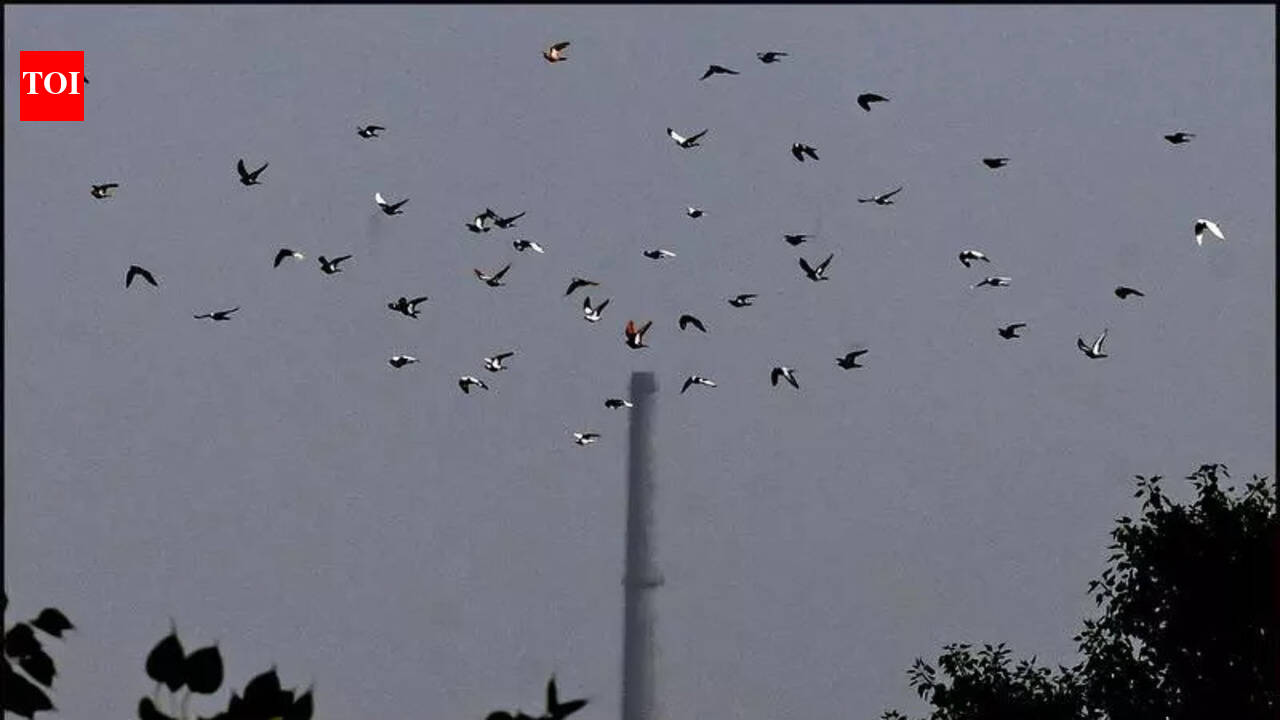
However, forecasts cited in the report suggested the relief may not last. The Air Quality Early Warning System projected the AQI could slip back to ‘poor’ on Sunday, and potentially deteriorate further to ‘very poor’ around Monday, January 26, 2026 (Republic Day). Such swings are common in winter when wind speed, mixing height and moisture levels change rapidly.
The report also noted a notable drop in minimum temperatures, and a weather outlook pointing to another rain spell linked to a western disturbance approaching from the night of January 26. While rain can temporarily wash out particulate matter, the broader meteorological pattern can also bring fog and stagnation episodes that worsen pollution after the rainfall window passes.
From a health perspective, these fluctuations matter because respiratory symptoms often track both pollution peaks and cold snaps. People with asthma, COPD, allergies, heart disease, and older adults are typically more sensitive to rapid AQI swings, and exposure risk rises when outdoor ceremonies and travel increase during holiday periods.
Practical precautions during such a week include watching hourly AQI trends, limiting strenuous outdoor exercise during ‘very poor’ windows, using well-fitted masks if commuting in heavy pollution, and keeping rescue inhalers and routine medications accessible. If visibility drops due to fog, reduced-speed driving also becomes a safety measure with indirect health impact.