IMD warns of heavy snow, hailstorms and widespread rain from January 26 as western disturbance approaches
The India Meteorological Department (IMD) has issued alerts for a fresh western disturbance likely to bring heavy snowfall, hailstorms, thunderstorms and gusty winds across parts of North and Central India from January 26, with peak impact expected around January 27.
A fresh western disturbance is expected to bring unsettled weather across parts of North, Northwest and Central India from Monday, January 26, with the India Meteorological Department (IMD) issuing alerts for heavy snowfall, hailstorms, thunderstorms and gusty winds. Reports said the system is likely to intensify conditions, with the strongest impact projected around January 27 before gradually easing from January 28.
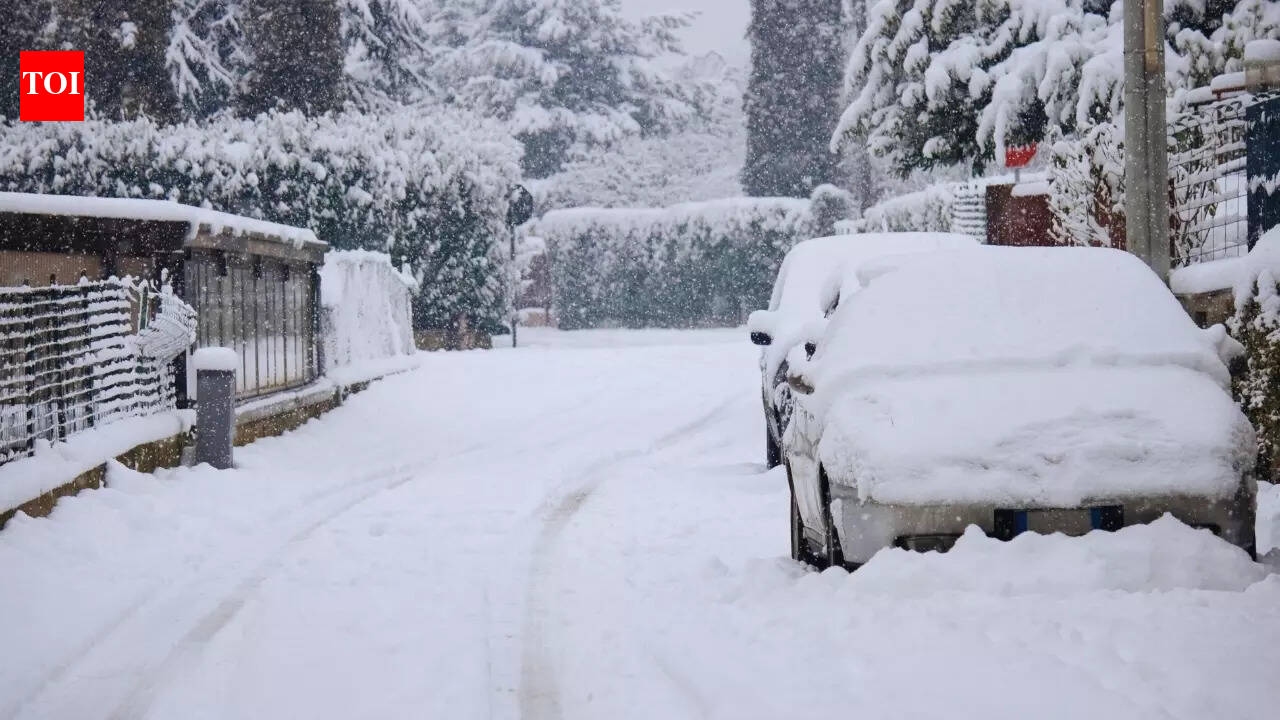
While such alerts are often discussed as a travel and disruption story, the health implications are also immediate. Sudden temperature swings, prolonged cold exposure, damp conditions, and high winds can raise the risk of hypothermia in vulnerable groups, aggravate asthma and COPD, and increase seasonal respiratory infections. People who work outdoors—delivery workers, construction labourers, traffic staff—face the greatest exposure during cold and wet spells.
Hailstorms and gusty winds can also lead to injury risks from falling objects, slippery roads, and reduced visibility. Families are advised to monitor local advisories, keep basic supplies and medicines ready, and avoid unnecessary travel during peak storm hours. Those with chronic respiratory or cardiac conditions should prioritise warm indoor environments and follow physician guidance if symptoms worsen.
IMD-linked reporting also pointed to the continuation of dense fog and cold-wave conditions in the near term, adding an extra layer of risk for road safety and for those commuting early in the morning. Reduced visibility can increase accident risk, while cold stress can strain the cardiovascular system—especially in elderly people.
As the disturbance progresses, the most useful step for residents is to treat forecasts as dynamic: check district-level updates, plan travel and work timings around the worst window, and use layered clothing, dry shelter and hydration to reduce cold-related health stress.