Temperature swings trigger cough-and-cold surge in Kolkata; doctors flag respiratory virus spread
Hospitals in Kolkata are seeing a spike in cough-and-cold cases as winter temperatures fluctuate, with doctors attributing the rise to a mix of respiratory viruses and seasonal pollution effects. Clinicians have advised symptom-based care and cautioned against unnecessary antibiotic use unless prescribed.
Hospitals report higher patient load as winter conditions shift
Kolkata has seen a notable rise in cough-and-cold cases, with hospitals reporting increased outpatient and inpatient footfall as winter temperatures fluctuate. Medical professionals have linked the surge to a renewed spread of respiratory viruses, noting that quick shifts in minimum temperatures can create conditions in which common pathogens circulate more easily, especially in crowded urban settings.
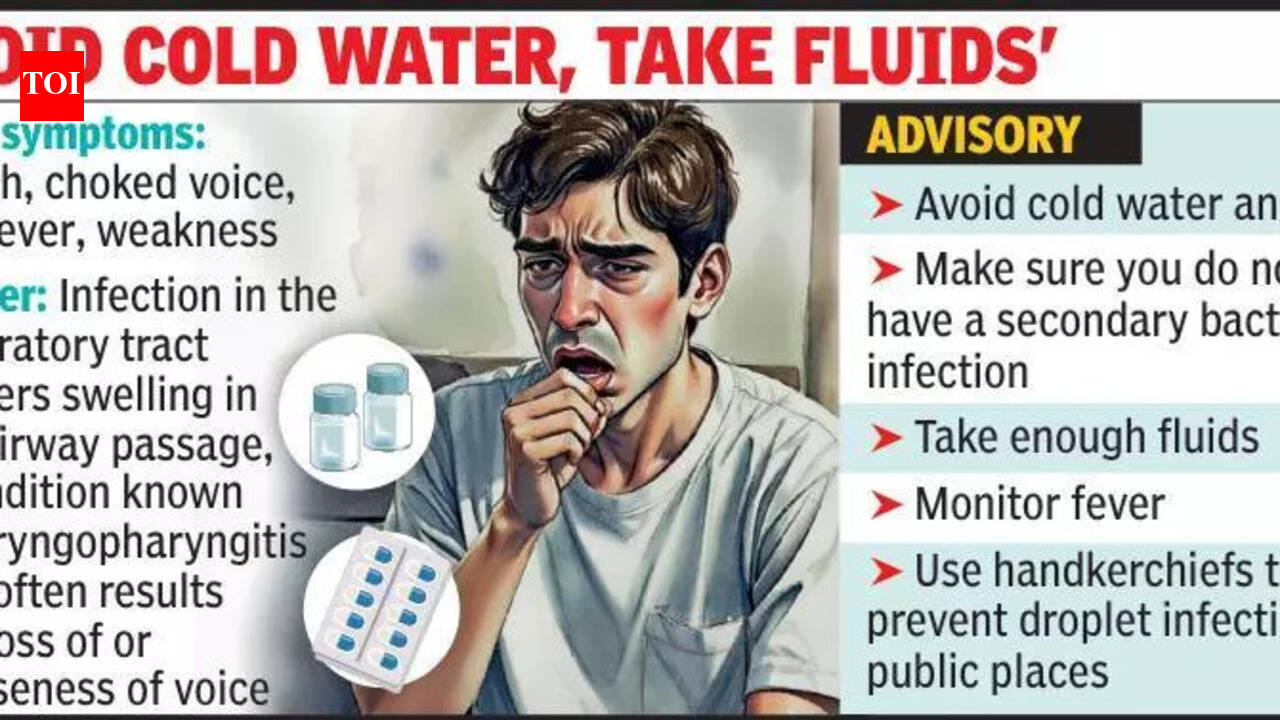
Doctors cited a range of symptoms being reported—persistent cough, chest congestion, fever and hoarseness of voice—indicating a broader respiratory illness season rather than a single outbreak cluster. Clinicians have also observed that seasonal air pollution can aggravate chronic respiratory conditions, such as asthma and COPD, particularly during winter when pollutants tend to remain trapped closer to the ground.
Viruses, seasonal bacteria and vulnerable groups
Medical experts have pointed to respiratory viruses commonly associated with winter flare-ups, including rhinovirus and other viral agents, while also noting that certain bacterial infections can complicate symptoms in some patients. Such mixed patterns are typical during winter: a viral infection may begin the illness, after which some individuals—especially those with weak immunity—can develop secondary bacterial infections that require careful evaluation.
Children and teenagers have also been among those affected, doctors said, with symptoms usually moderate but disruptive enough to prompt clinic visits. For families, the challenge is distinguishing between a routine viral cold and warning signs that require medical attention—such as sustained high fever, breathlessness, dehydration, worsening wheeze or chest pain.
Doctors advise targeted care; warn against self-medicating with antibiotics
Clinicians have advised symptom-specific treatment and a cautious approach to antibiotics, stressing that antibiotics do not treat viral infections and should be used only when prescribed. Inappropriate antibiotic use can also contribute to antimicrobial resistance and may cause side effects without benefit.
General winter precautions—staying warm, avoiding known allergens, maintaining hydration and reducing exposure to polluted air where possible—were also emphasised. Doctors expect the higher case load to continue until weather conditions stabilise, a pattern frequently seen when winter temperatures oscillate over short periods.