West Bengal Nipah cases: two healthcare workers test positive; containment measures stepped up
West Bengal has reported two Nipah virus cases involving healthcare workers, triggering intensified containment measures and monitoring. Authorities have activated outbreak response protocols, including tracing contacts and strengthening infection-control steps, as Nipah is known for severe illness and high risk when transmission occurs.
Two healthcare workers test positive in West Bengal
Two healthcare workers in West Bengal have tested positive for Nipah virus, according to government and health ministry sources cited in reports. The cases have sharpened the state’s alert level and pushed authorities to intensify containment measures, including infection-control steps in hospital settings and wider public health surveillance.
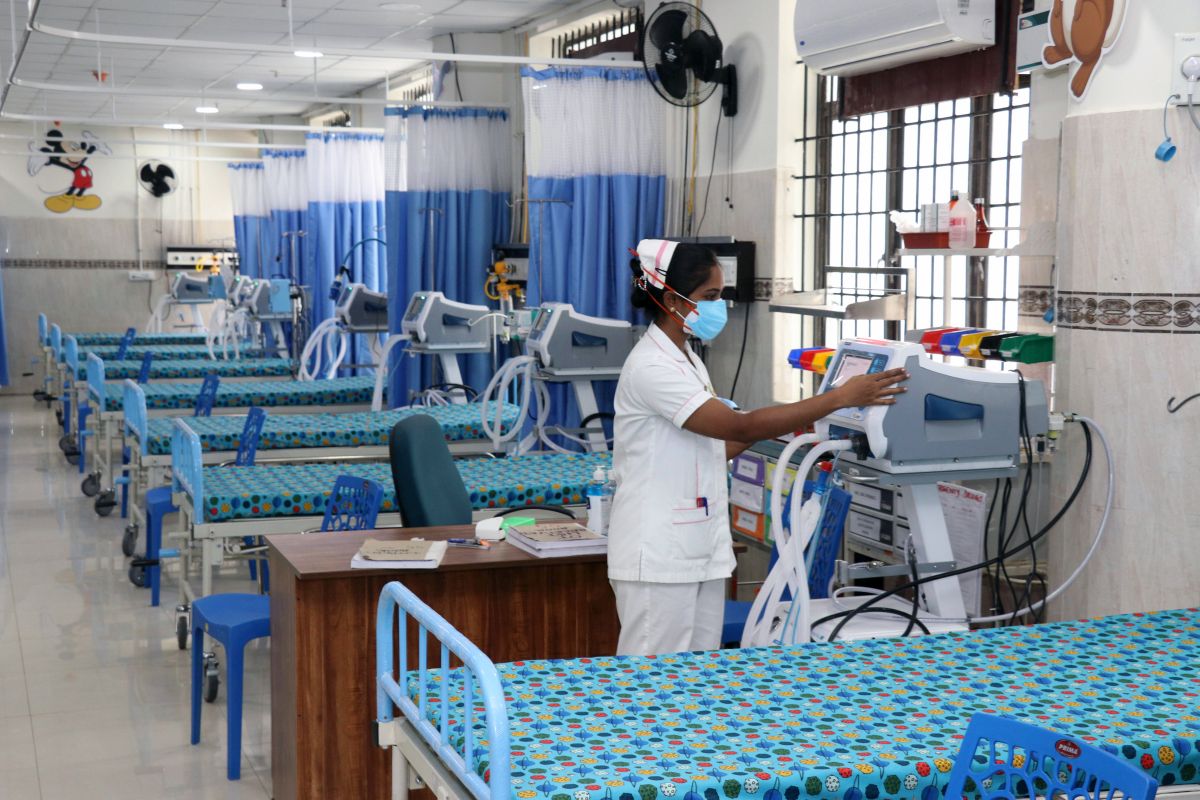
The patients are reported to be healthcare workers linked to the same private hospital and have been receiving treatment. Such hospital-linked infections are closely watched because Nipah can spread through close contact, including during care of symptomatic patients, making strict precautions essential in clinical environments.
Containment actions: contact tracing, surveillance and expert support
Following the identification of suspected cases earlier in mid-January, national-level support mechanisms were activated, including deployment of expert teams to assist with containment and response. The on-ground public health playbook typically includes identification of contacts, risk classification, quarantine or monitoring of high-risk contacts, and repeated testing where required.
Hospitals are also expected to tighten infection prevention and control measures—use of protective gear, isolation protocols, and environmental cleaning—because the highest-risk transmission settings can include healthcare facilities when a case is not detected early.
What the public should focus on
Health authorities generally advise avoiding rumours, following official advisories, and seeking medical attention for severe fever or respiratory symptoms—especially if there has been exposure to a known case or a healthcare setting under monitoring. The response priority is to break any potential chain of transmission through fast detection and strict containment.
Nipah outbreaks are managed with a heavy emphasis on surveillance and infection control because early action can limit spread. Officials have indicated that response systems are in place and being strengthened as investigations and containment continue.