Ahead of Budget 2026-27, new study urges higher public healthcare spending to reduce inequality
An academic study flagged rising medical costs and unequal access to treatment, urging India to increase public healthcare expenditure as the Union Budget 2026-27 approaches. The research analysed long-run drivers of healthcare spending and out-of-pocket payments and argued that higher public investment is needed to make care more equitable and affordable.
Budget season brings focus back to health spending
With the Union Budget 2026-27 approaching, a new academic study has renewed calls for a sharper rise in India’s public healthcare expenditure. The research argues that economic and social change is pushing medical costs upward and widening gaps in access, making greater public investment critical for reducing inequality and ensuring that treatment is not determined mainly by household income.
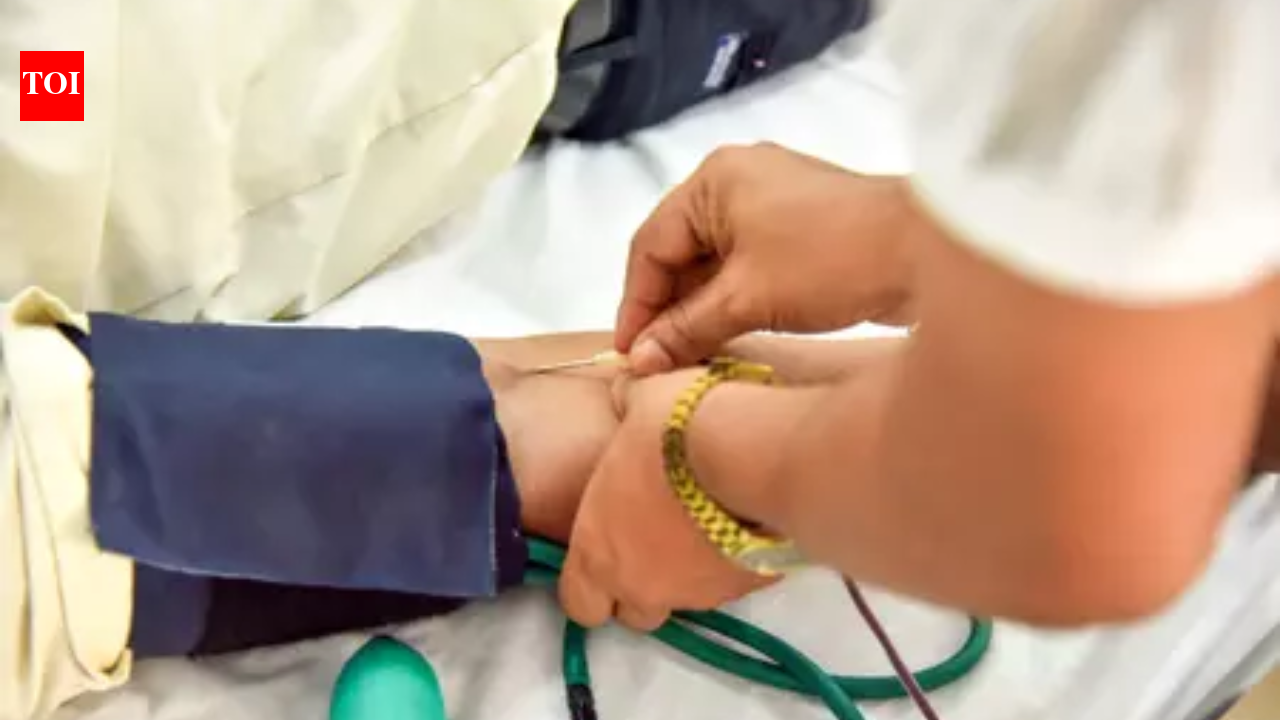
The study analysed national data across multiple decades and examined determinants of healthcare expenditure, including overall per-capita spending and household out-of-pocket (OOP) payments. It points to the way macro factors such as inflation, income growth, urbanisation and shifts in education and life expectancy can influence what families pay and what the country spends on health over the long run.
Why out-of-pocket costs remain central to the debate
Out-of-pocket spending is often the most immediate pressure point for families, especially during emergencies and chronic illness, because it can force people to delay care or borrow money. The study’s emphasis on determinants of OOP payments speaks to a persistent concern: when public systems are underfunded, private spending tends to fill the gap — but not everyone can afford it.
As policymakers weigh budget priorities, such research typically fuels demands for strengthening government hospitals, primary care networks and public procurement of medicines. The argument is that higher, better-targeted public spending can reduce catastrophic health expenditure, improve prevention, and provide a more predictable safety net.
What to watch in Budget 2026-27
In the weeks ahead, attention is likely to focus on whether the budget increases allocations for public health infrastructure, staffing, and programmes that improve access for low- and middle-income households. The study adds to the chorus that sees health spending not just as welfare, but as a foundation for productivity and inclusive growth.