Ahead of Budget 2026-27, study urges higher public health spending to curb costs and inequality
An academic study released ahead of the Union Budget 2026-27 argues India should increase public healthcare expenditure, warning that rising medical costs and uneven access are deepening inequality. The research analyses long-term data and points to the need for stronger public funding to reduce household out-of-pocket burden and improve equitable access to care.
A renewed policy push as Budget 2026-27 approaches
A new academic study has reignited calls for India to raise public healthcare spending in the Union Budget 2026-27, arguing that economic and social change is pushing medical costs higher while access remains uneven. By drawing on decades of national data, the research attempts to move the conversation beyond slogans, focusing instead on measurable determinants of health expenditure and how they interact with inflation, urbanisation, income growth and life expectancy.
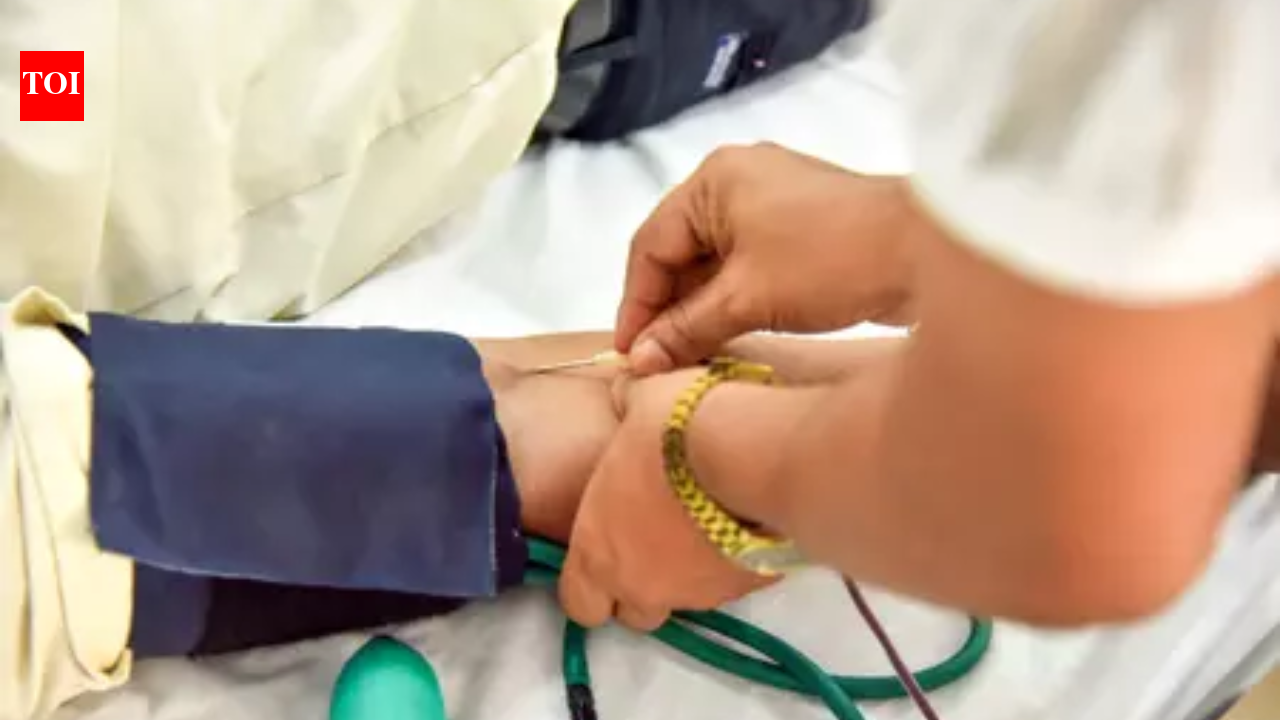
The core concern: out-of-pocket burden and unequal access
The study’s thrust is that India’s health financing remains highly exposed to out-of-pocket payments, leaving many households vulnerable to treatment delays and financial stress. When health spending relies heavily on what individuals pay at the point of care, shocks like hospitalisation or chronic illness can have outsized impacts, especially for rural families and low-income groups. The research therefore frames higher public spending not only as a welfare measure but also as a protective economic intervention that can reduce household risk and improve access.
Why budget decisions matter for outcomes
Budget allocations influence the capacity of the public system: staffing, medicines, infrastructure, diagnostics and preventive programmes. The study argues that stronger public financing can help shift the burden away from households while improving the reach of services. It also highlights that India’s broader ambitions—such as building innovation capacity in advanced therapies and improving affordability—are easier to achieve when there is predictable, adequate public funding and clearer policy pathways.
What the study implies for policy debate
- Raising public health spending can reduce the share of out-of-pocket payments over time.
- Inflation and structural shifts can quietly increase healthcare costs even when utilisation is stable.
- Improving access is not only a health objective but also a measure to reduce household financial distress.
- Budget 2026-27 is a key moment to align health financing with long-term equity goals.
The debate is moving from ‘how much to spend’ to ‘how to spend so that care becomes reliably accessible without pushing families into distress’—and that shift is shaping expectations from Budget 2026-27.