Ahead of Union Budget 2026–27, study urges higher public healthcare spend to reduce inequality and out-of-pocket burden
A new research paper examining decades of Indian data argues for sharper increases in public healthcare spending, warning that rising costs and uneven access are deepening inequality. The study highlights how India’s heavy dependence on out-of-pocket payments exposes poorer and rural households to financial distress and delayed treatment.
With the Union Budget 2026–27 approaching, an academic study has renewed calls for India to raise public healthcare expenditure more aggressively, arguing that economic and social change is driving medical costs higher and widening inequality in access. The research analyses national trends across more than three decades and focuses on the determinants shaping overall health spending as well as household out-of-pocket (OOP) payments.
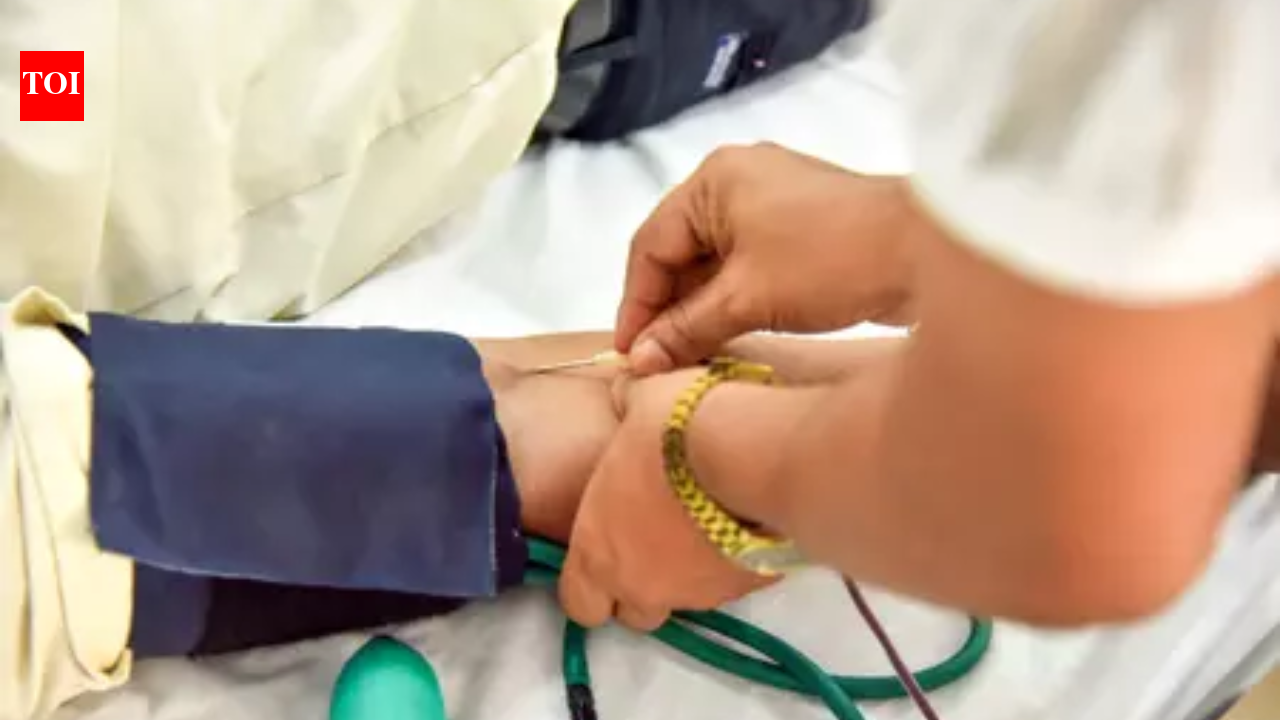
The study, which examines data from 1991 to 2023, identifies several variables that have significant long-term influence on healthcare expenditure patterns. These include per capita income, education indicators, urbanisation, inflation, life expectancy and per capita health spending. The paper’s core warning is that without stronger public financing, the burden of illness continues to fall most heavily on those least able to afford it.
A central issue highlighted is India’s financing imbalance: limited public investment paired with substantial reliance on private spending through direct household payments. This structure can push vulnerable families into hardship, especially when serious illness requires prolonged treatment, high-cost medicines or travel to seek care. The research argues that the system’s design risks delaying treatment and increasing financial distress among rural and economically weaker sections.
In the run-up to Budget decisions, industry voices cited in the report pointed to targeted policy moves that could improve access and affordability, including taxation rationalisation on inputs, relief on import duties for critical materials, insurance coverage for expensive one-time therapies, and clearer, globally aligned regulation for advanced treatments. While such proposals vary by sector, they converge on the need for a stronger health-financing backbone.
The study’s broader implication is that healthcare spending is not only a welfare question but also a productivity and resilience issue: healthier populations work better, learn better and weather shocks more effectively. As Budget 2026–27 approaches, the research adds pressure on policymakers to show measurable steps toward reducing OOP dependence and building a more equitable public health system.