Study ahead of Budget 2026 urges bigger public health spend as costs rise and inequality persists
An academic study released ahead of the Union Budget 2026-27 calls for a major increase in public healthcare expenditure, warning that medical costs and unequal access are widening gaps. The push adds to a growing chorus that wants stronger public systems, preventive care and better funding to reduce out-of-pocket burden.
Budget season brings healthcare to the centre
With the Union Budget 2026-27 approaching, an academic study has renewed attention on how India funds healthcare. The study argues that public spending must rise significantly to keep pace with changing economic and social realities, which it says are driving medical costs higher and worsening inequality in access.
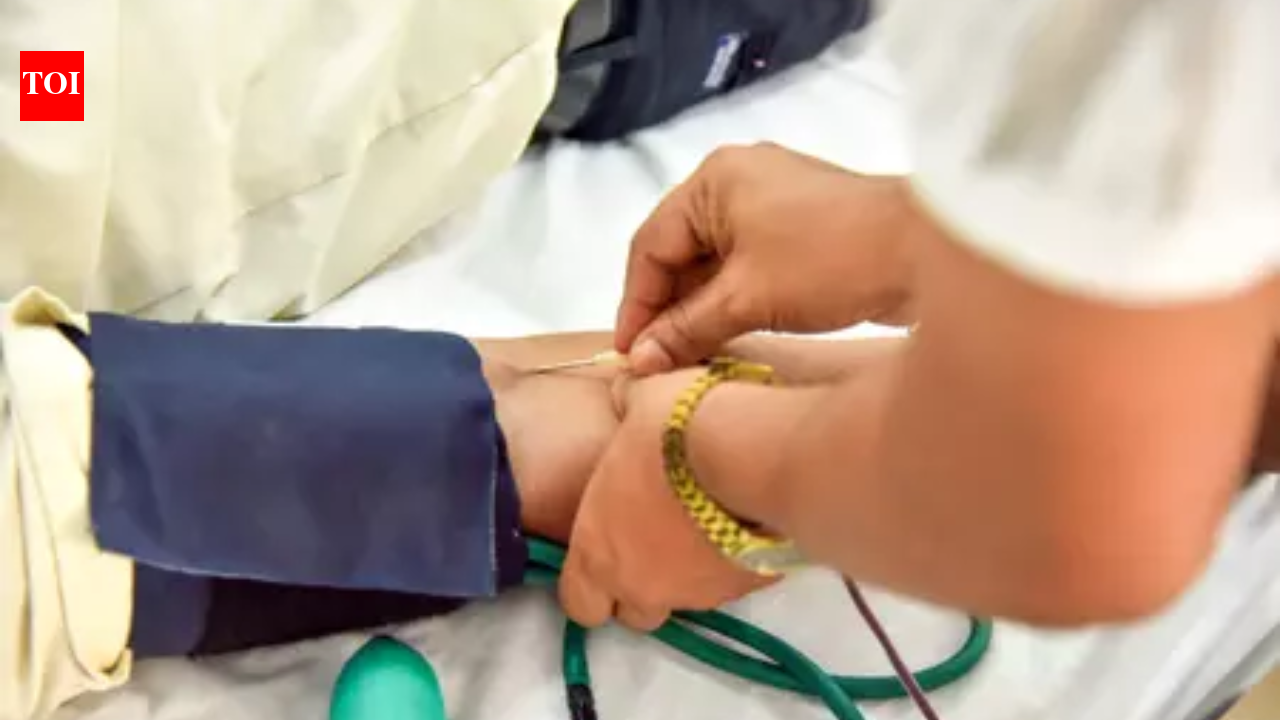
The core claim is straightforward: when public systems are underfunded, households are pushed toward out-of-pocket payments and uneven private options. That, in turn, can deepen financial stress, delay treatment and reinforce regional gaps in health outcomes. The study’s conclusions reflect a broader national debate about how to build capacity, especially outside top metros.
Why increased public spend is being demanded
Healthcare costs rise for multiple reasons: higher demand as populations age, more chronic disease, more diagnostics, and higher expectations from patients. When inflation and wage growth are uneven, medical expenses can feel sharper to families. The study’s emphasis on inequality suggests that the problem is not only total spending, but also who bears the cost and where services are actually available.
Ahead of Budget announcements, such studies typically aim to influence allocation decisions for primary care, district hospitals, staffing, public health labs and prevention programmes. The message is that stronger public investment can reduce long-term costs by preventing disease, detecting problems earlier and limiting catastrophic spending for families.
What a higher-spend roadmap could look like
The most immediate areas likely to benefit from increased expenditure include upgrading public facilities, expanding workforce capacity, strengthening supply chains for essential medicines and improving diagnostics at the district level. Prevention, screening and chronic disease management would also be key, because they reduce hospitalisation and late-stage complications.
The study’s timing matters: Budget planning is when competing priorities—capital expenditure, welfare transfers, fiscal consolidation—battle for space. By foregrounding inequality and rising costs, the research frames healthcare not as a discretionary spend, but as an investment in productivity and social stability. Whether the Budget reflects that framing will be one of the most watched signals in early 2026.