West Bengal reports five Nipah cases in a week; around 100 quarantined as Barasat cluster stays under watch
West Bengal is dealing with a Nipah virus cluster linked to Barasat in North 24 Parganas, with five cases reported within a week. Two infected healthcare workers remain in ICU care, three additional cases were admitted to an infectious diseases hospital in Beleghata, and authorities have sent around 100 people into home quarantine as contact tracing continues.
West Bengal has reported a Nipah virus cluster with five cases recorded within a week, prompting stepped-up containment measures, home quarantines and heightened surveillance. The situation is centred on Barasat in North 24 Parganas district, where the first patients were identified. Health officials have been tracking contacts and tightening precautions as the state attempts to prevent further spread of the high-risk zoonotic infection.
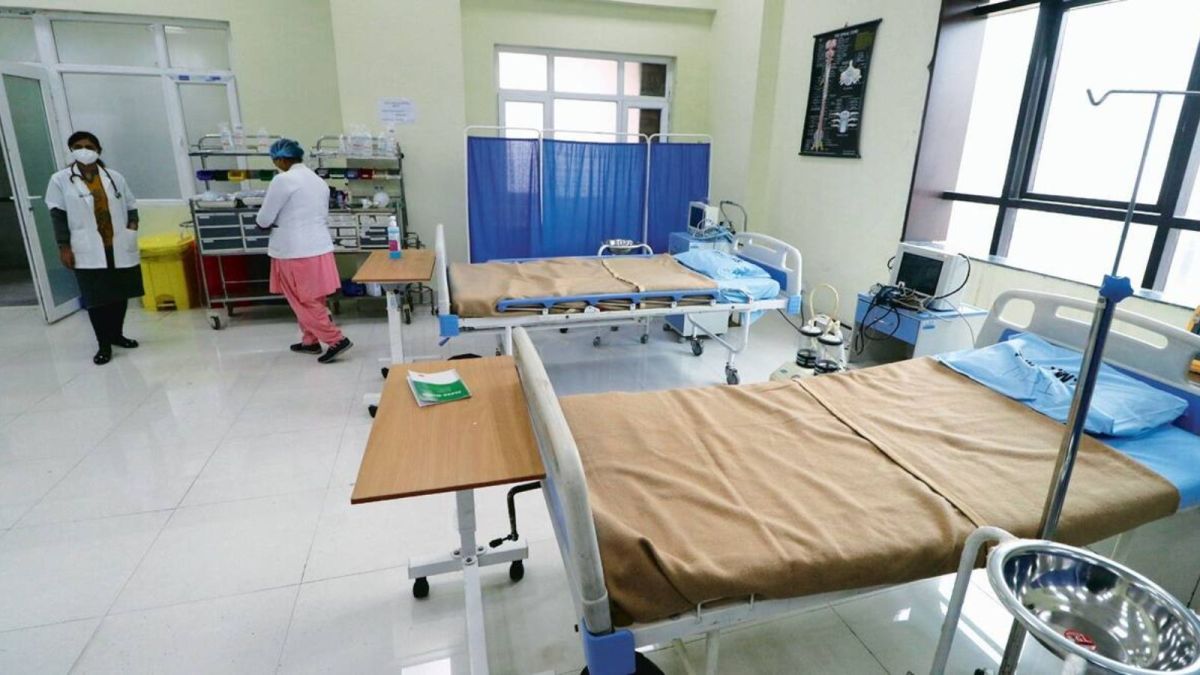
What authorities have confirmed so far
According to the report, the initial two cases involved a male nurse and a female nurse who worked at a private hospital in Barasat. They have continued to receive intensive care. In the days that followed, three additional cases were reported, involving a doctor, another nurse and a health staff member, who were admitted to the infectious diseases hospital in Beleghata. Officials also said roughly 100 people have been sent into home quarantine since the first confirmed cases were detected, indicating that contact tracing has widened beyond the immediate clinical setting.
Why Nipah outbreaks trigger aggressive containment
Nipah is considered a serious zoonotic disease because it can cause severe illness in humans and has been associated with high fatality rates in past outbreaks. While sustained, large-scale person-to-person transmission is not the norm, limited human transmission can occur, particularly through close contact in caregiving or healthcare settings. That is why authorities typically prioritise early isolation, monitoring of contacts, and strict infection-control protocols in hospitals.
What contact tracing and quarantine aim to do
Containment efforts usually focus on breaking possible chains of transmission: identifying people who had close exposure to confirmed or suspected patients, monitoring them for symptoms, and isolating them according to protocol if illness develops. The home quarantine of around 100 people reflects an attempt to reduce the chance of silent spread during the incubation window, while health teams track whether any of those contacts develop fever, respiratory symptoms or neurological signs.
What residents should watch for
Public health advisories in Nipah alerts generally emphasise avoiding contact with bodily fluids of symptomatic persons, practising hand hygiene, and following hospital guidance on visitation and protective measures. People in affected areas are typically advised to seek medical attention promptly if they develop symptoms and to cooperate with contact-tracing teams. As the Barasat-linked cluster is monitored, the next critical indicator will be whether new cases emerge beyond known contacts, or whether the outbreak remains contained to the identified chain.