West Bengal steps up Nipah containment: contact tracing, isolation and advisories after cases in Barasat
After Nipah virus infections were detected among healthcare workers in Barasat, West Bengal rolled out containment steps including isolation, advisories to hospitals and stepped-up surveillance. Officials urged vigilance without panic, while medical experts noted the virus’s high fatality risk and the importance of infection control. Samples and confirmations were handled through coordinated lab networks, with response teams supporting state-level containment.
West Bengal has activated containment measures to prevent the spread of Nipah virus after infections were linked to healthcare workers in Barasat, North 24 Parganas. Reports in mid-January said two nurses from the same private hospital were detected with Nipah, prompting heightened surveillance and advisories to hospitals. Health authorities emphasised that the response is focused on isolation, contact tracing and infection-control protocols, while urging the public not to panic but to remain alert.
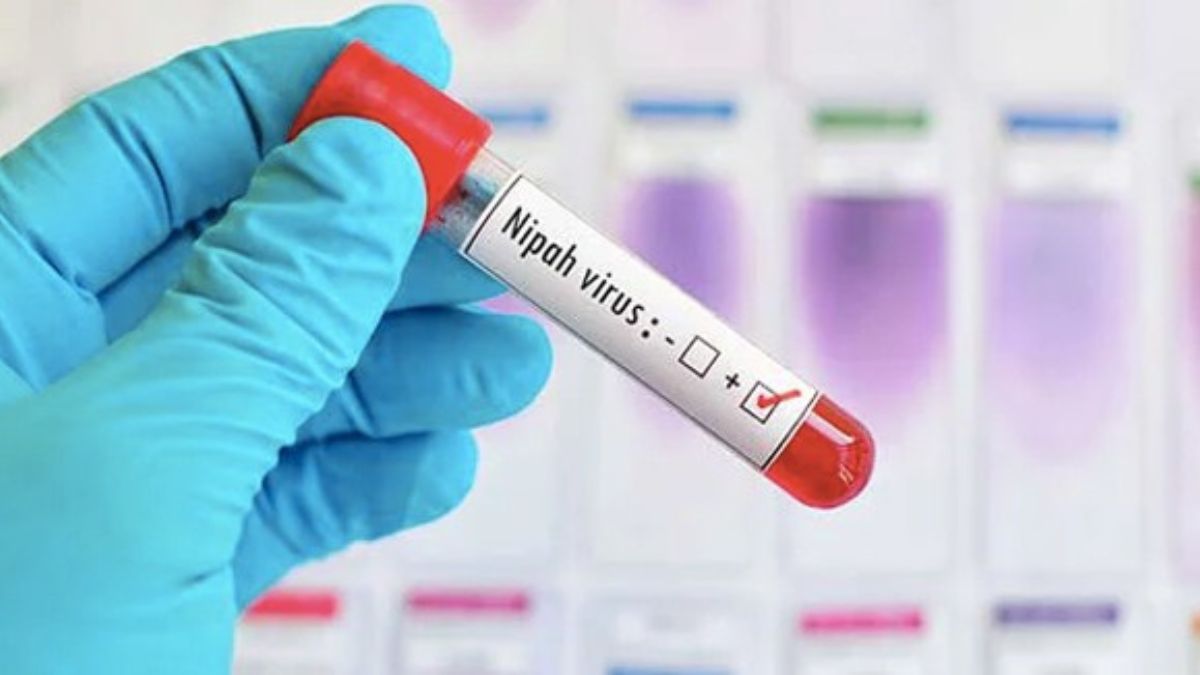
According to the report, the state health department began issuing advisories to government and private hospitals soon after the detection, and senior officials said the situation was being closely monitored. Standard outbreak response steps include identifying people who had close contact with confirmed cases, monitoring for symptoms during the observation window, and ensuring healthcare staff use protective equipment and follow strict hygiene and patient-handling procedures.
How containment typically works in hospital-linked clusters
When a high-risk pathogen is detected in a healthcare setting, authorities generally focus on quickly interrupting transmission by isolating cases, tracing contacts inside and outside the facility, and tightening infection-control practices. Hospitals may review triage procedures, restrict visitors, and set up dedicated areas for suspected cases. Public-health teams also coordinate laboratory testing so suspected infections can be confirmed quickly and linked contacts can be tested or quarantined as required.
Medical experts quoted in the report noted that while Nipah has a high mortality rate and lacks a specific treatment, it does not have the same pandemic potential as some airborne viruses. Even so, the virus is serious enough that containment depends on speed, discipline and communication. Authorities often pair strict protocols with clear public messaging to reduce rumours and ensure people seek care promptly if they develop symptoms.
Precautions people are commonly advised to follow
- Follow official health advisories and avoid sharing unverified information.
- If fever or severe symptoms develop after exposure to a suspected cluster, seek medical care early.
- Hospitals and caregivers should maintain strict infection-control measures and protective practices.
With the response protocol active, the key indicator will be whether surveillance detects additional cases beyond the initial cluster. Health departments typically keep monitoring in place for weeks to ensure no hidden transmission chains remain and to confirm that containment holds.