Ranji Trophy: Bihar thrash Manipur by record margin in Plate final to return to Elite group
Bihar sealed promotion back to the Elite group with a crushing 568-run win over Manipur in the Ranji Trophy Plate final. The result was powered by a second-innings double century from opener Piyush Singh and incisive bowling from Suraj Kashyap and Himanshu Singh, marking a major milestone in Bihar’s domestic red-ball revival.
A statement win in India’s premier domestic red-ball tournament
Bihar produced one of the most emphatic results of the Indian domestic season, defeating Manipur by 568 runs in the Ranji Trophy Plate final and securing a return to the Elite group. The margin underlined a gap in execution between the two sides across batting discipline, bowling control and match management over multiple innings.
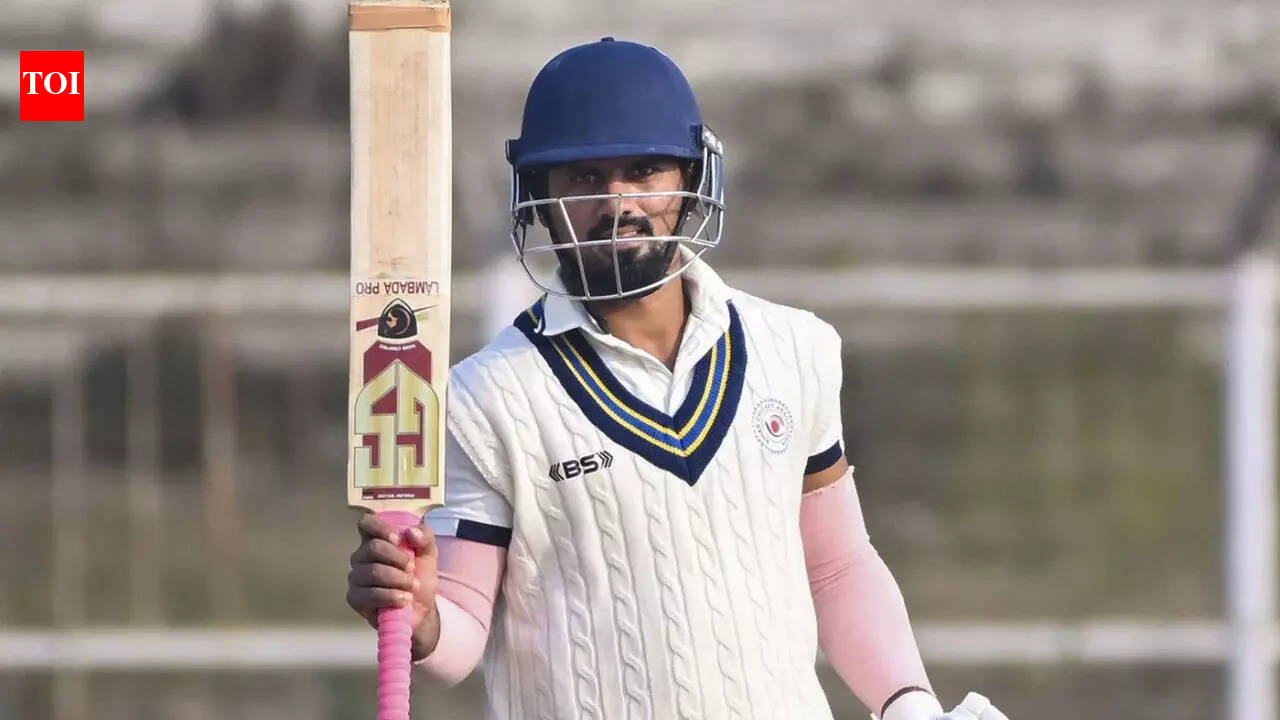
For Bihar, the victory is about more than a trophy. It signals momentum and a pathway back into stronger competition, where performances are more closely watched for future opportunities. Domestic cricket promotions and relegations are not merely administrative outcomes; they shape fixture strength, player development, and the quality of opposition a team faces season after season.
Key performances: runs on the board, pressure with the ball
The match turned decisively in Bihar’s favour through heavyweight batting, led by opener Piyush Singh’s double century in the second innings. Big second-innings totals in multi-day cricket do two things at once: they remove doubt about the result and they create scoreboard pressure that forces riskier batting responses from the chasing side.
That pressure was converted by Bihar’s bowlers, with Suraj Kashyap and Himanshu Singh playing key roles in dismantling Manipur’s resistance. In a final, where nerves and fatigue often decide outcomes, sustained control over line and length and smart field settings usually separate dominant teams from merely good ones—Bihar looked closer to the first category across the game.
Why this promotion matters
The Elite group return offers Bihar’s players a higher intensity environment and more competitive benchmarks. It also pushes the team’s support structures—coaching, fitness, planning and analysis—because the margin for error narrows sharply at the top level. If Bihar can translate this final’s confidence into consistent Elite performances, the win could be remembered as the turning point rather than just a one-off peak.
For Manipur, the result is a tough learning moment. But in domestic cricket, finals exposure can still be valuable: it reveals where depth, conditioning and batting time need to improve to compete across four innings. The Plate pathway remains an opportunity to rebuild and return stronger.