ISRO chief says Gaganyaan remains on track despite recent PSLV deviation; outlines long-term plans including a space station
ISRO chairman V. Narayanan said India’s human spaceflight programme Gaganyaan remains unaffected by a deviation reported during a recent PSLV mission stage. He also reiterated India’s broader roadmap, including preparatory work for a national space station planned to begin in 2028 with a completion target of 2035.
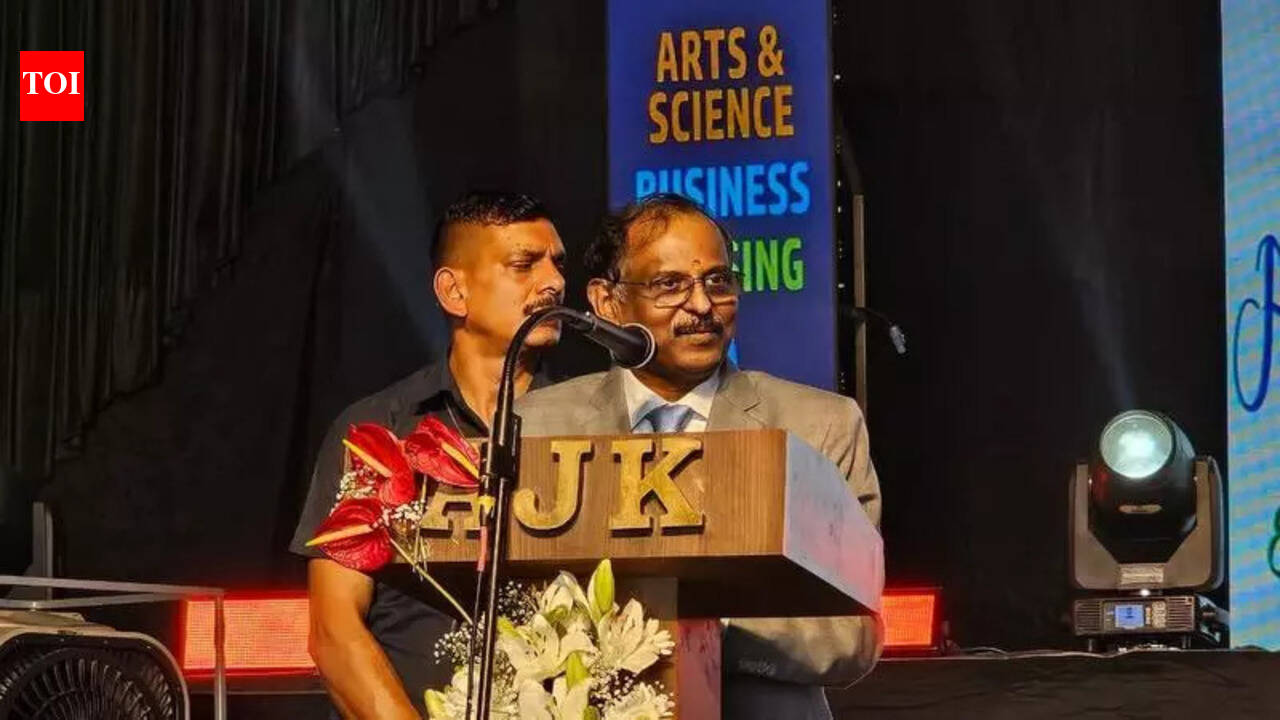
ISRO chairman Dr V. Narayanan has said the Gaganyaan human spaceflight mission remains unaffected, even as the agency reviews a deviation reported during the recent PSLV-C62 mission’s third-stage performance. Speaking at an event in Coimbatore, Narayanan sought to reassure stakeholders that the marquee programme continues on schedule as India expands both launch cadence and mission complexity.
What ISRO said about the PSLV issue
Narayanan referred to the PSLV-C62 mission’s third-stage deviation as a technical event being examined, while emphasising that it does not derail Gaganyaan. Such comments aim to separate a platform-specific anomaly from the broader programme, especially as ISRO simultaneously manages multiple launch vehicles and a growing pipeline of payloads.
The bigger picture: what’s next for India’s space programme
In addition to Gaganyaan, Narayanan spoke about India’s long-term space ambitions. He indicated that work towards a national space station is planned to begin in 2028 and that the agency is targeting completion by 2035—an arc that suggests a shift from mission-based achievements to sustained orbital infrastructure and regular operations.
Why this matters
For India’s space sector, clarity on Gaganyaan’s continuity is crucial: it influences public confidence, vendor planning and the ecosystem of private players building subsystems and services. The space-station timeline, meanwhile, positions India for a new phase where technology readiness, reliability and repeated in-orbit capability become the core benchmarks.
ISRO’s message on 25 January is essentially two-fold: technical deviations will be analysed and fixed, and the agency’s headline programmes—from human spaceflight to future orbital infrastructure—remain part of a longer, expanding roadmap.