EU leaders link Republic Day visit to summit agenda as India–EU partnership takes centre stage
European Council President António Costa and European Commission President Ursula von der Leyen travelled to India for the 16th EU–India Summit on 27 January 2026, while also attending India’s Republic Day parade on 26 January as chief guests. EU statements said the summit will focus on trade, security and defence, the clean transition and people-to-people ties—signalling a push to strengthen cooperation amid wider global uncertainties.
A summit trip wrapped in high-visibility symbolism
The European Union’s top leadership used a rare, high-profile appearance at India’s Republic Day parade to frame a broader strategic message: the EU wants a deeper, more structured partnership with India. European Council President António Costa and European Commission President Ursula von der Leyen were in New Delhi as chief guests for Republic Day on Monday, 26 January 2026, and are scheduled to meet Prime Minister Narendra Modi at the 16th EU–India Summit on Tuesday, 27 January.
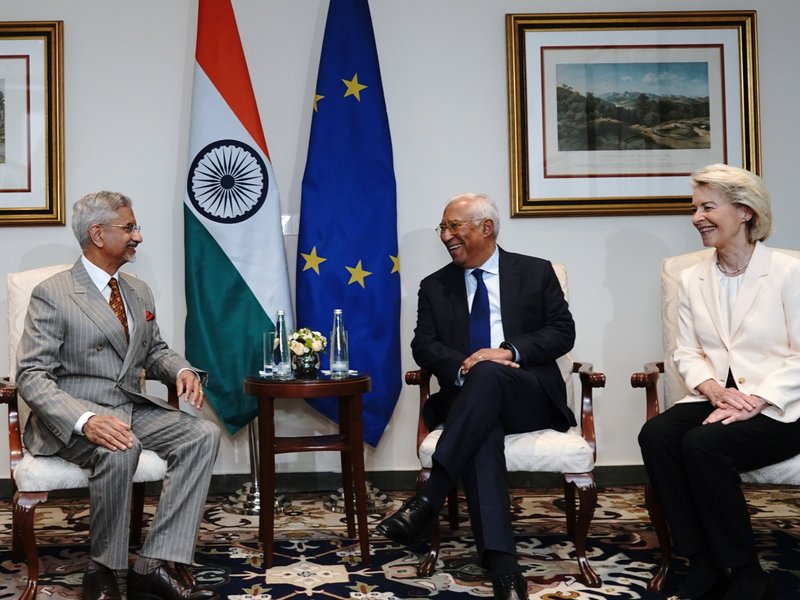
In official communication, EU institutions positioned India as a ‘crucial partner’ and described the summit as an opportunity to build on the strategic partnership across key policy areas. The calendar sequencing—parade on the 26th, summit on the 27th—was not merely ceremonial. It ensured maximum public attention before negotiations, and set a cooperative tone before hard issues like trade and geopolitics come to the table.
What the EU says is on the table
According to the European Council’s press release, talks are expected to prioritise trade, security and defence, clean transition, and people-to-people cooperation. That breadth signals the EU is aiming for an all-weather relationship rather than a narrow transactional arrangement focused on one sector. The EU also said the Republic Day participation marked the first time EU leaders attended the parade as guests of honour, an explicit indicator of upgraded diplomatic signalling.
For India, a summit format helps convert political goodwill into measurable action—working groups, timelines, and statements that can guide ministries and industries. For the EU, the trip is a chance to show that Europe’s Indo-Pacific engagement is more than rhetoric and that Brussels can invest top-level attention outside its immediate neighbourhood.
Why this matters beyond India and Europe
The EU’s positioning reflects a wider global moment: competition over technology standards, clean-energy supply chains, and security arrangements is intensifying. India’s role as a large market and a strategic actor makes it a partner that both Washington and Beijing court, and that Europe cannot ignore. The EU’s public emphasis on rules-based order and shared capacity to protect it suggests the partnership is also meant to shape wider global governance debates.
The immediate test will be whether the summit produces specific deliverables. But even before any joint announcements, the Republic Day appearance and the summit schedule together illustrate a simple point: both sides want the world to see the relationship as strategically important, not optional.