India and EU finalise major free trade agreement; sensitive items kept out, tariffs to fall over phases
India and the European Union have announced the finalisation of a sweeping FTA that would progressively reduce tariffs across most trade, while excluding sensitive segments such as cereals and dairy and protecting small cars. The pact promises expanded market access for Indian exports like textiles and leather, and outlines phased openings for autos and other categories, with implementation expected after ratification steps.
Deal announced after long negotiations
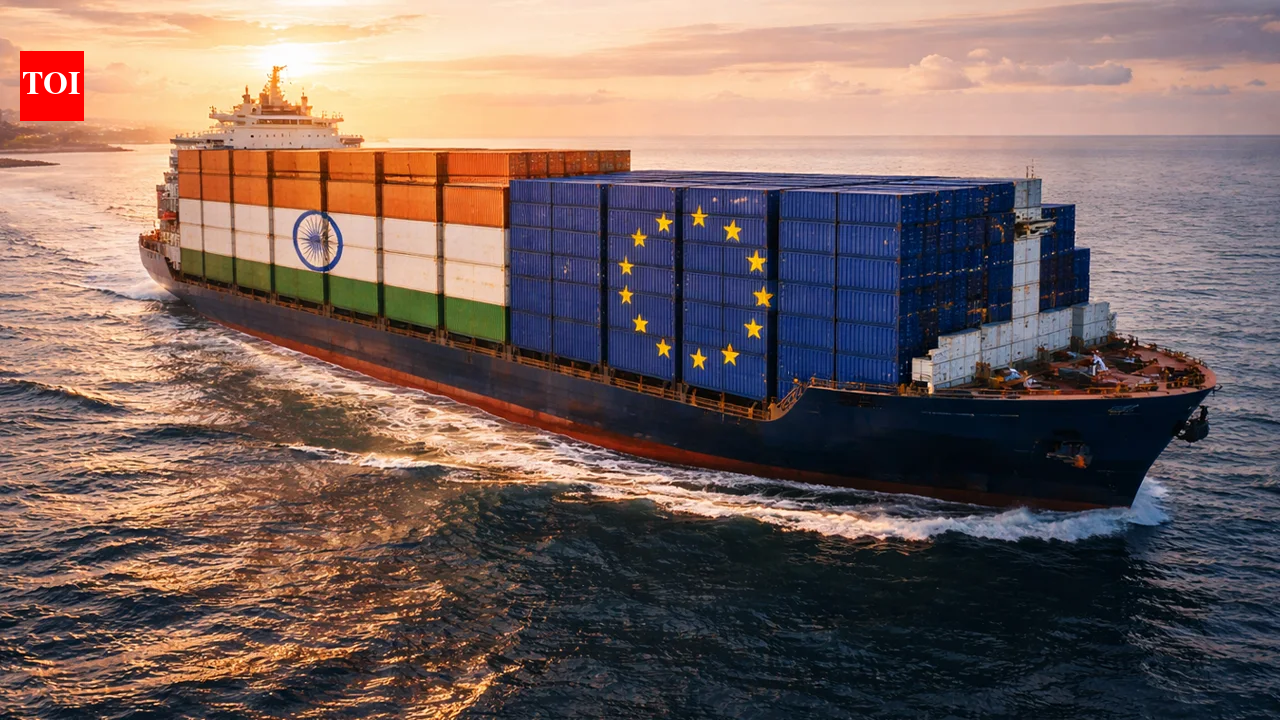
India and the European Union have announced the finalisation of a wide-ranging free trade agreement that both sides are projecting as a landmark economic partnership. The agreement is designed to lower tariffs gradually across the bulk of goods traded between the two economies, while still carving out exclusions for politically and economically sensitive segments.
What is included—and what is protected
The report says the agreement would bring phased tariff reduction on 96% of exports from both sides, but keeps contentious items such as cereals and dairy outside the pact’s scope. It also says India has protected small cars, which constitute a large part of its domestic market, and will allow a phased opening for higher-priced European cars and costlier wine, with quantity-linked thresholds and a multi-year timeline before full effects are felt.
Where Indian exporters may gain
For Indian exporters, the pact is positioned to improve access for categories such as textiles, marine products, leather and footwear, gems and jewellery, toys and sports goods, among others. Advocates argue that the headline benefit is the ability to compete more effectively in the EU market against other exporting countries that already enjoy preferential tariff terms.
Phased liberalisation and services chapters
Beyond goods, the agreement reportedly includes multiple chapters and also covers services, with commitments listed on both sides. The report indicates that implementation would follow a staged opening schedule over several years, rather than immediate full liberalisation, with different product lines moving to reduced or zero tariffs at different points.
Implementation timeline and next steps
While the agreement has been finalised at the political level, it is expected to require ratification and domestic approval procedures before it can take effect. Businesses will watch for the final legal text, schedules for tariff lines, rules-of-origin details and any accompanying arrangements that could affect real-world utilisation rates.
What to watch
- Release of detailed tariff schedules and rules-of-origin requirements
- How sensitive exclusions (dairy, cereals, small cars) are handled in final annexes
- Sector reactions in autos, agriculture, apparel and MSME supply chains
- Ratification progress and the first tranche of tariff cuts once effective