Modi flags National Voters’ Day and urges first-time voters to sign up
On National Voters’ Day, Prime Minister Narendra Modi asked eligible young Indians to register as soon as they turn 18, calling voting a key duty that strengthens democracy. The message, delivered on January 25, 2026, also framed the voter as a central force in shaping India’s future.
Prime Minister Narendra Modi used National Voters’ Day on January 25, 2026, to push a simple message: if you are eligible, get on the electoral roll. In a public appeal that specifically addressed young citizens, he urged first-time voters to register the moment they turn 18 and to treat participation in elections as a civic responsibility rather than an occasional choice.
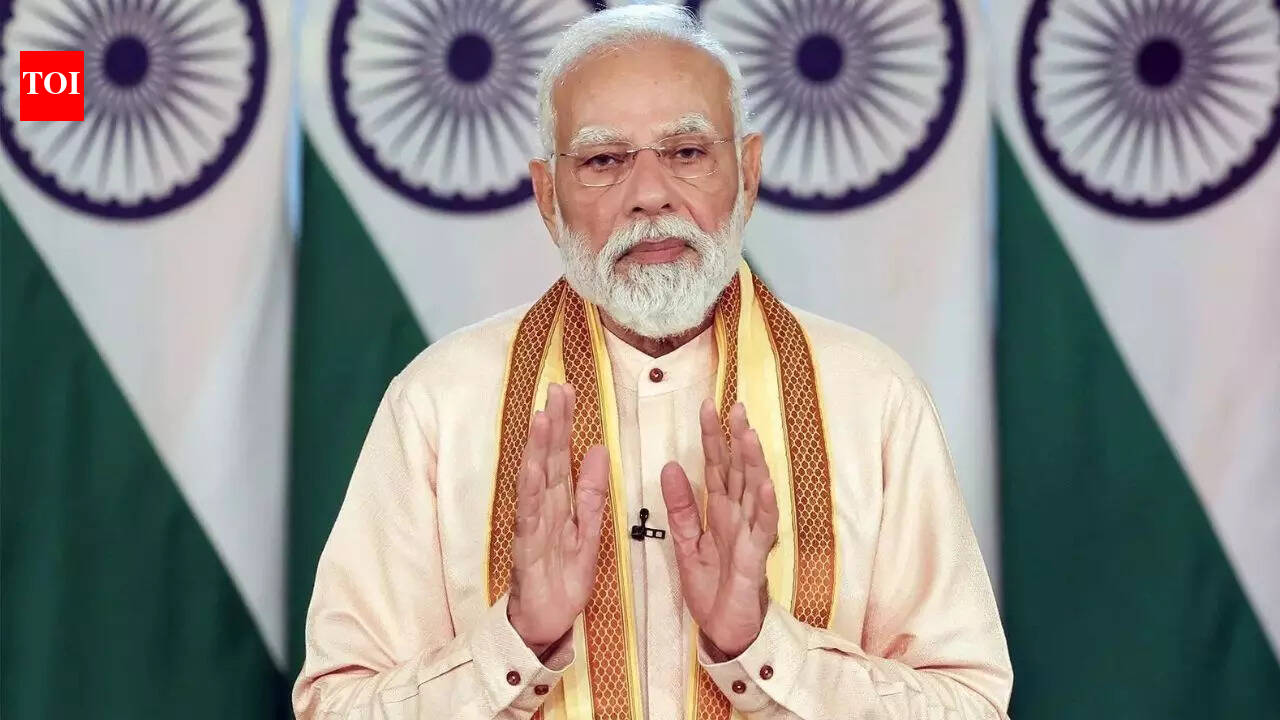
The Prime Minister described voting as one of the most direct ways citizens contribute to the country’s democratic system. He said that a strong democracy depends not only on institutions that run elections, but also on the willingness of people to take part. For young citizens, he suggested, registration is the first step toward long-term engagement in public life.
His message also emphasised the role of the individual voter. By portraying the voter as a decisive force in national outcomes, he linked turnout and participation to broader goals of governance and development, arguing that everyday citizens shape the direction of the country through the ballot.
National Voters’ Day is observed annually to highlight the importance of enrolment, awareness and participation in elections. The appeal comes ahead of multiple electoral exercises at different levels, where first-time voters can become a sizeable and influential bloc in many constituencies.
Beyond symbolism, the focus on registration points to a practical issue: many eligible citizens remain unenrolled or update details late. Election officials routinely stress early registration and correct records to reduce last-minute rush and errors closer to polling periods.
The overall thrust of the Prime Minister’s remarks was to normalise voting as a habit. By placing registration and turnout at the centre of citizenship, the message sought to make electoral participation a default expectation for new adult voters, not a one-time event.