Modi urges new voters to register at 18, calls voting ‘soul of democracy’
In his January 25 Mann Ki Baat address, Prime Minister Narendra Modi asked young Indians to register as voters as soon as they turn 18, calling it a major milestone and a constitutional duty. Linking the message to National Voters’ Day and the eve of Republic Day, he framed participation as essential to strengthening democratic values.
A National Voters’ Day appeal
Prime Minister Narendra Modi used the 130th episode of Mann Ki Baat on Sunday, January 25, 2026, to press a simple civic message: register to vote the moment you turn 18. He said becoming a voter should not be treated as an ordinary life-stage, but as a significant milestone for every Indian because it connects citizens directly to the country’s democratic process.
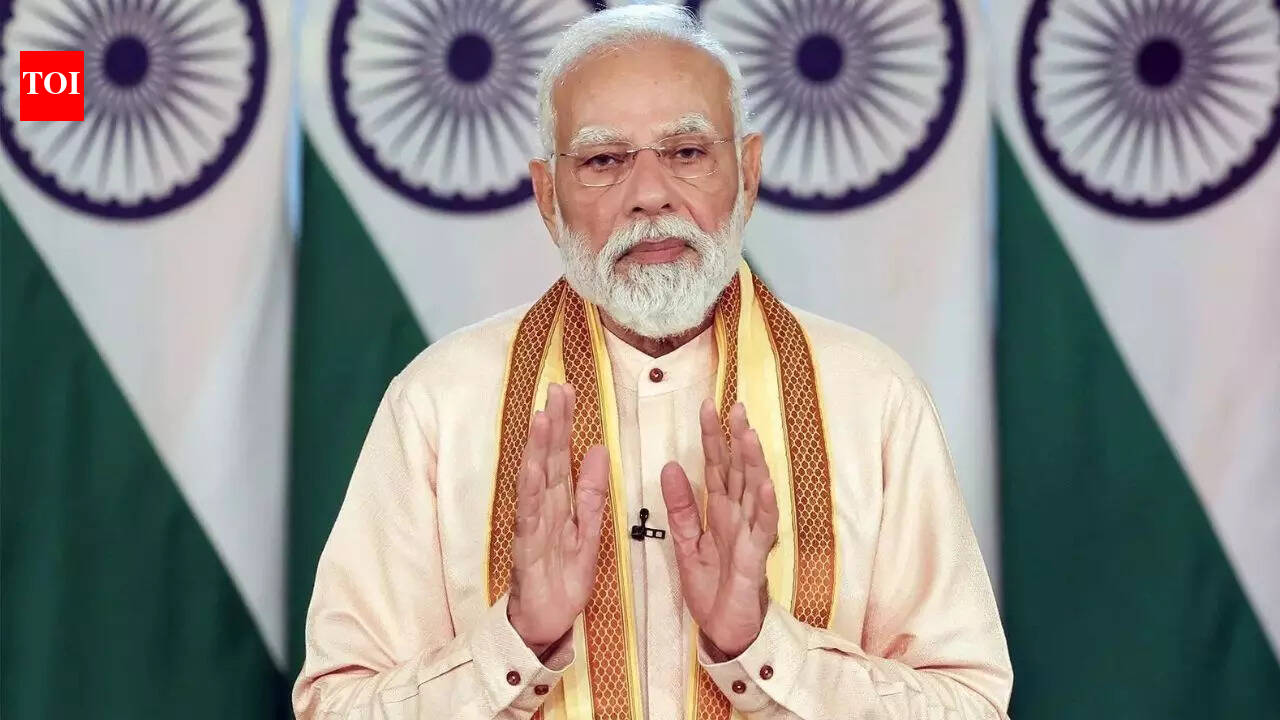
Speaking on National Voters’ Day, Modi described the voter as the “soul of democracy” and argued that wider voter participation is central to deepening constitutional values. The pitch focused on first-time voters and young citizens, urging them to see the act of registration and voting as part of nation-building rather than just an administrative formality.
Linking the message to Republic Day
Modi also referenced Republic Day, noting that January 26 marks the day India’s Constitution came into force and offers an opportunity to remember its architects. He said the Constitution expects a sense of duty from citizens, and that engaging in elections is one way that duty is fulfilled in practice. The timing — a National Voters’ Day message on the eve of the Republic Day celebrations — was positioned as a reminder that democracy is sustained through active participation, not passive pride.
Why the government wants youth on the rolls
The emphasis on youth registration reflects a recurring public-policy theme: getting eligible citizens onto electoral rolls early reduces missed voting opportunities and improves the quality of voter lists over time. Modi’s framing leaned on symbolism — voting as responsibility and empowerment — and avoided partisan themes, presenting registration as a constitutional and civic act.
The appeal, delivered nationally via radio, was intended to reach families as well as first-time voters, nudging households to treat voter registration like other coming-of-age milestones. The overarching message was that democracy becomes stronger when the newest eligible citizens join the process promptly and participate consistently.