Rupee touches 92 per dollar, closes near record low as outflows and risk-off mood bite
The rupee hit an all-time intraday low of 92 against the US dollar on 23 January 2026 before ending around 91.88, as foreign fund outflows, weak domestic equities and global risk aversion weighed on the currency, traders said.
India’s rupee slid to a historic low this week, briefly touching 92 against the US dollar in intraday trade on Friday, 23 January 2026, before recovering slightly to settle at about 91.88 (provisional). Market participants linked the weakness to persistent foreign fund outflows and a broader risk-off tone in global markets, which tends to strengthen the dollar and pressure emerging-market currencies.
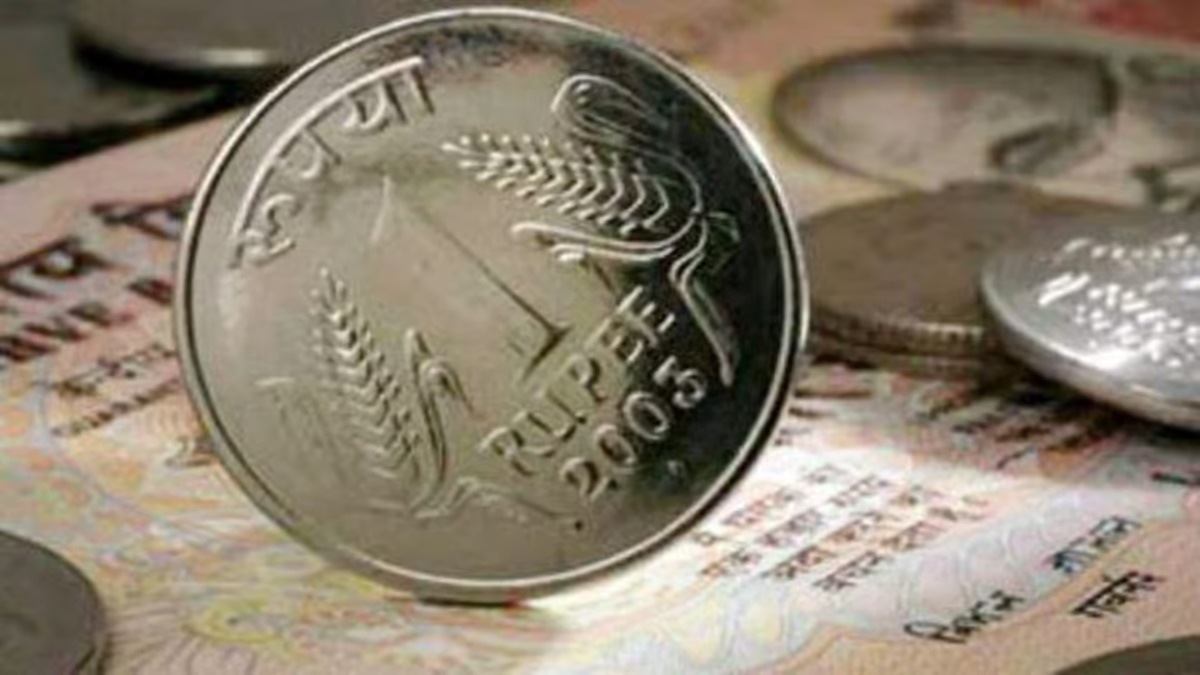
Forex traders said the rupee, after opening stronger, lost ground as domestic equities weakened and demand for dollars increased. The currency reportedly opened around 91.45, touched a session high near 91.41, and then slid to the record low of 92.00 before closing near 91.88. The intraday swing reflected how sensitive the rupee has become to capital flows, oil prices and global yield moves.
A weaker rupee typically makes imports more expensive—particularly crude oil and other commodities priced in dollars—raising concerns about pass-through into costs and inflation. It can also increase the burden on Indian consumers and businesses paying for overseas travel, education and imported electronics. At the same time, depreciation can provide some support to exporters by improving price competitiveness, although benefits vary depending on imported input costs and contract structures.
Analysts noted that the latest move comes amid sustained pressure from foreign institutional selling and cautious sentiment. With the rupee hovering near record lows, traders will be watching for any stabilising factors, including shifts in global dollar strength, commodity prices and potential central bank actions aimed at smoothing volatility rather than defending a fixed level.
In the near term, the currency’s direction is expected to remain closely tied to risk appetite and portfolio flows. For households and companies, the rupee’s slide is already being felt in higher landed costs of imported goods and a tighter budget for any dollar-linked expenses.