Stocks end lower after RBI policy; foreign fund outflows keep investors cautious
Indian equities settled lower after an RBI policy event, with analysts citing persistent foreign selling and mixed earnings as key drags. Several heavyweight stocks declined, while select counters gained on company results.
Indian equity markets ended lower in a session shaped by the Reserve Bank of India’s latest policy signals and continued caution among investors. Market commentary pointed to two key pressures: steady foreign fund outflows and earnings that have not been strong enough to decisively lift sentiment.
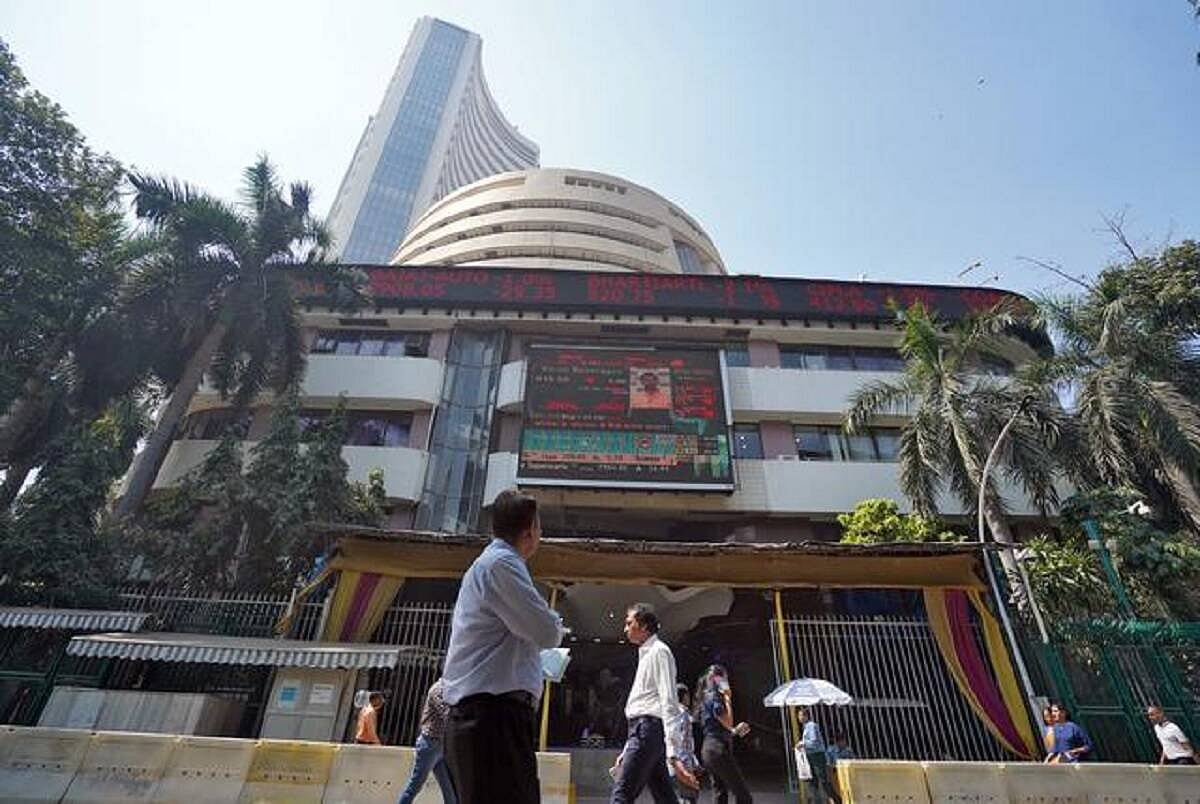
According to the report, traders saw profit-taking across multiple pockets of the market following the RBI policy, with sectors such as banking, oil and gas, FMCG and power witnessing selling interest. Analysts said that while the policy decision itself did not deliver a surprise, broader risk appetite remained restrained amid relentless selling by foreign institutional investors.
From the frontline index pack, several heavyweight names were among the laggards. The article noted ITC’s shares fell after the company reported a decline in consolidated net profit for the December quarter, attributing the impact to subdued demand and higher input costs. Other large names also slipped, adding to the overall softness in the benchmark indices.
Despite the weak close, the session was not uniformly negative. Some stocks advanced on company-specific triggers, with select gainers rising on results-led momentum. The report highlighted Bharti Airtel as a notable gainer after it posted a sharp jump in consolidated net profit, aided by business consolidation and tariff benefits.
For investors, the key takeaway remains the same: headline policy events alone may not be enough to change direction when global risk sentiment is uncertain and foreign flows are persistently negative. In the near term, market participants are likely to track upcoming earnings, macro data points and any shift in overseas investor behaviour.