India and EU conclude free trade talks; formal announcement expected at 27 January summit
India and the European Union have concluded official-level negotiations for a long-pending free trade agreement, Commerce Secretary Rajesh Agrawal said on 26 January 2026. The deal is undergoing legal scrubbing, with signing expected after procedural clearances, and is projected to deepen trade and investment ties between India and the EU.
A long negotiation reaches the finish line
India and the European Union have wrapped up official-level negotiations for a comprehensive Free Trade Agreement (FTA), ending one of India’s longest-running trade discussions. Commerce Secretary Rajesh Agrawal said on 26 January 2026 that the negotiations have been successfully concluded and that both sides are set to announce the conclusion formally at the India–EU Summit in New Delhi on Tuesday, 27 January 2026.
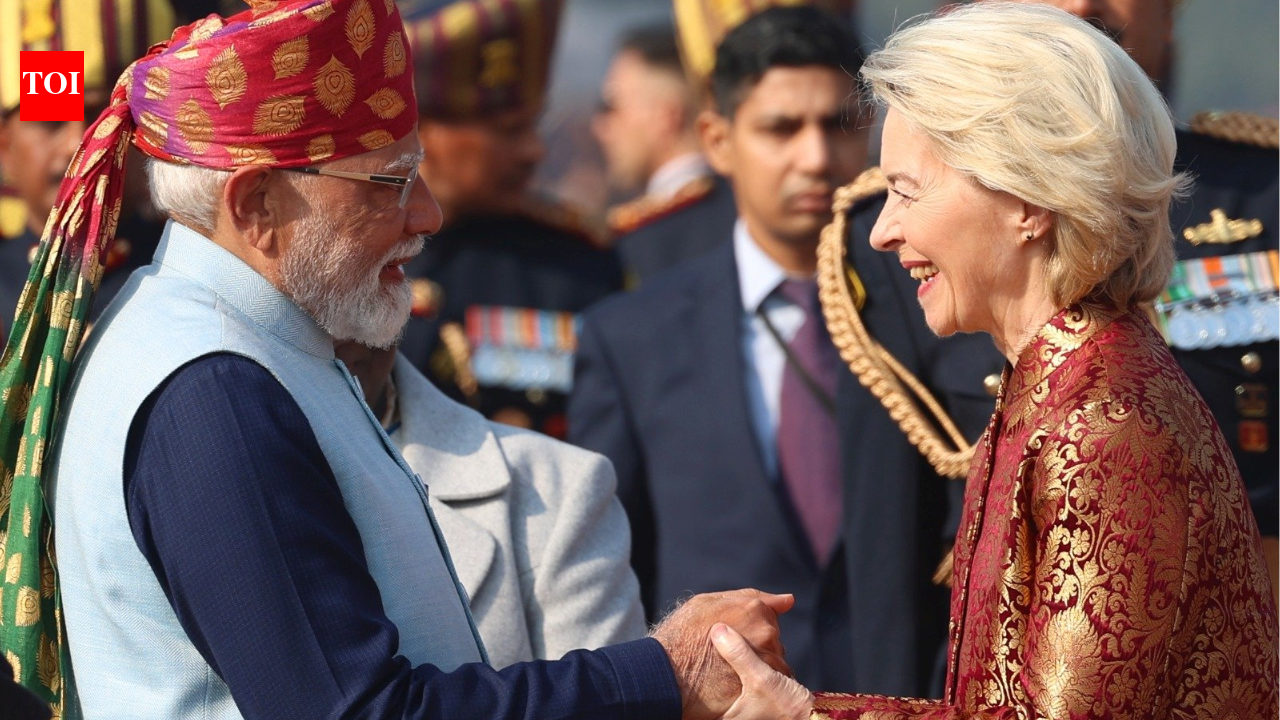
The agreement has been described by senior Indian officials as unusually significant in scale, reflecting the size of the two markets and the breadth of issues covered. The expectation is that the pact will expand two-way commerce, encourage investment, and provide businesses with clearer rules and improved market access across sectors.
What happens next: legal scrubbing, approvals and signing
The next phase is legal scrubbing of the text, a process that officials said could take several months. After that, the pact would move through procedural approvals: on the Indian side, clearance mechanisms including cabinet-level approval; on the EU side, steps that typically include endorsement by EU institutions and ratification pathways.
Agrawal indicated that the objective is to complete processes and sign at an early date, and reports also suggested the agreement could come into force sometime next year once the legal and political processes are completed. In practical terms, companies will be watching for timelines around tariff changes, services commitments and regulatory cooperation.
Why this deal matters for Indian industry
An India–EU FTA is seen as strategically important amid shifting global trade patterns and supply-chain realignments. For India, the deal could open opportunities for exporters in goods and services while also creating new competitive pressures at home; for the EU, it offers a larger foothold in one of the world’s fastest-growing major economies.
Beyond tariffs, the pact’s value will likely depend on how it handles standards, investment flows, and the predictability businesses need to plan long-term. The formal summit announcement on 27 January is expected to provide clearer signals about the agreement’s scope and the implementation pathway.