Sensex and Nifty slip over 4% in January as FPIs sell, rupee weakens and global risks rise
Indian equities saw a rough start to 2026, with Sensex and Nifty down more than 4% so far in January. A mix of persistent foreign portfolio investor selling, a weakening rupee, muted earnings and global uncertainty kept risk appetite low. Market participants are now watching the Union Budget 2026–27 for signals on growth support and macro stability.
A weak January for Indian benchmarks
India’s benchmark indices extended their monthly decline in January 2026, with both Sensex and Nifty down more than 4% during the month as of 26 January 2026. The slide reflects a combination of domestic and global pressures that have reduced risk appetite and increased volatility in large-cap stocks.
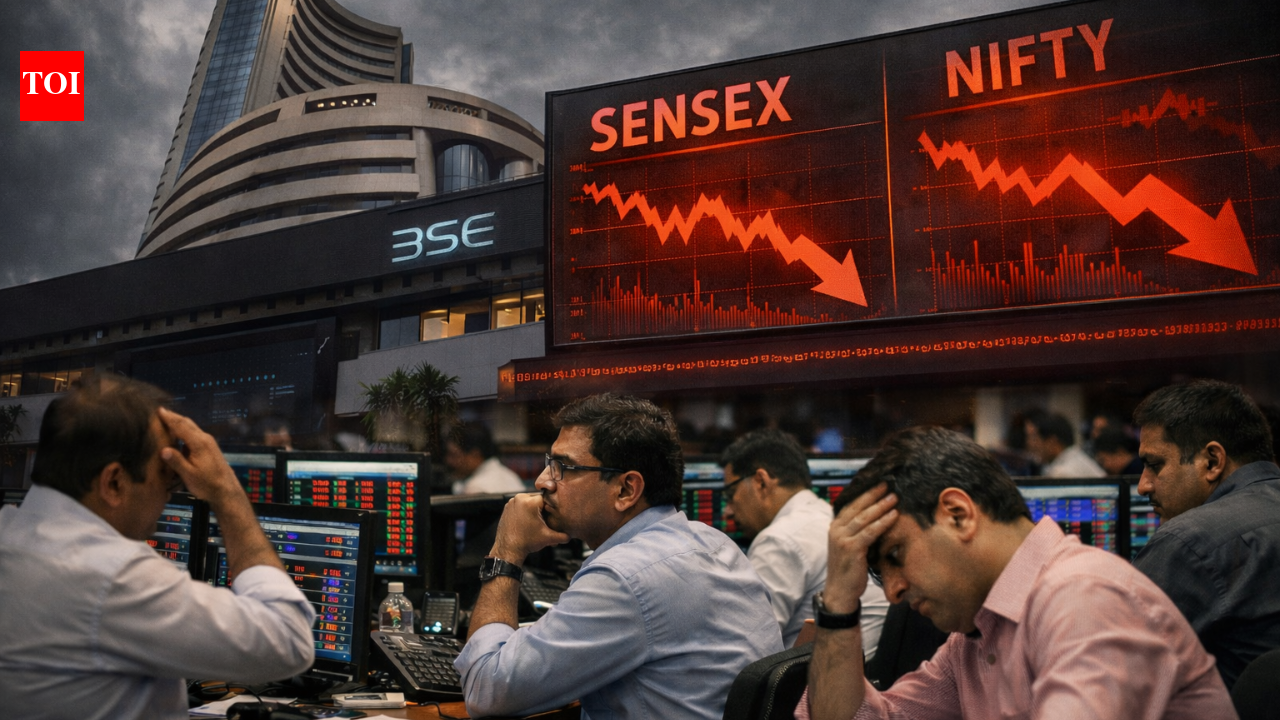
Foreign portfolio investor (FPI) selling has remained a central driver of the drawdown. When overseas funds reduce exposure, it typically amplifies moves in heavyweight stocks and tightens near-term liquidity conditions, particularly during periods when local sentiment is already cautious.
What’s weighing on sentiment
The month’s risk-off tone has been reinforced by rupee weakness, a patchy corporate earnings picture and global uncertainty. Elevated crude prices and higher global bond yields have also added to caution, as they can affect inflation expectations, capital flows and the cost of funding across markets.
Analysts quoted in the report noted that tariff concerns and geopolitical tensions were contributing to unease. In practical terms, investors tend to demand higher risk premia during such phases—meaning valuations are harder to sustain, especially for sectors where earnings visibility is limited.
The next near-term catalyst: Union Budget 2026–27
With January historically prone to pre-Budget jitters, attention is shifting to how the Union Budget 2026–27 balances growth support with fiscal discipline. If policy signals are perceived as credible on both counts, markets often look for a rebound driven by improved expectations on spending, taxation and macro stability.
For now, the core story remains that multiple headwinds—capital outflows, currency pressure and global risk factors—have converged, pushing Indian benchmarks into a clear month-to-date decline.