Sensex, Nifty slip in January as foreign outflows, rupee weakness and global risks weigh on markets
India’s benchmark indices have declined sharply in January 2026, with investor sentiment hit by sustained foreign portfolio selling, a weaker rupee and jittery global cues. The slide has renewed focus on earnings quality, domestic macro stability and how global risk events can quickly transmit into Indian equities.
A rough January for Indian equities
Indian stock markets have endured a weak start to the year, with benchmark indices sliding through January 2026. The Sensex and Nifty have each been reported down more than 4% for the month, a move that has pushed investors to reassess risk, valuations and the near-term earnings outlook.
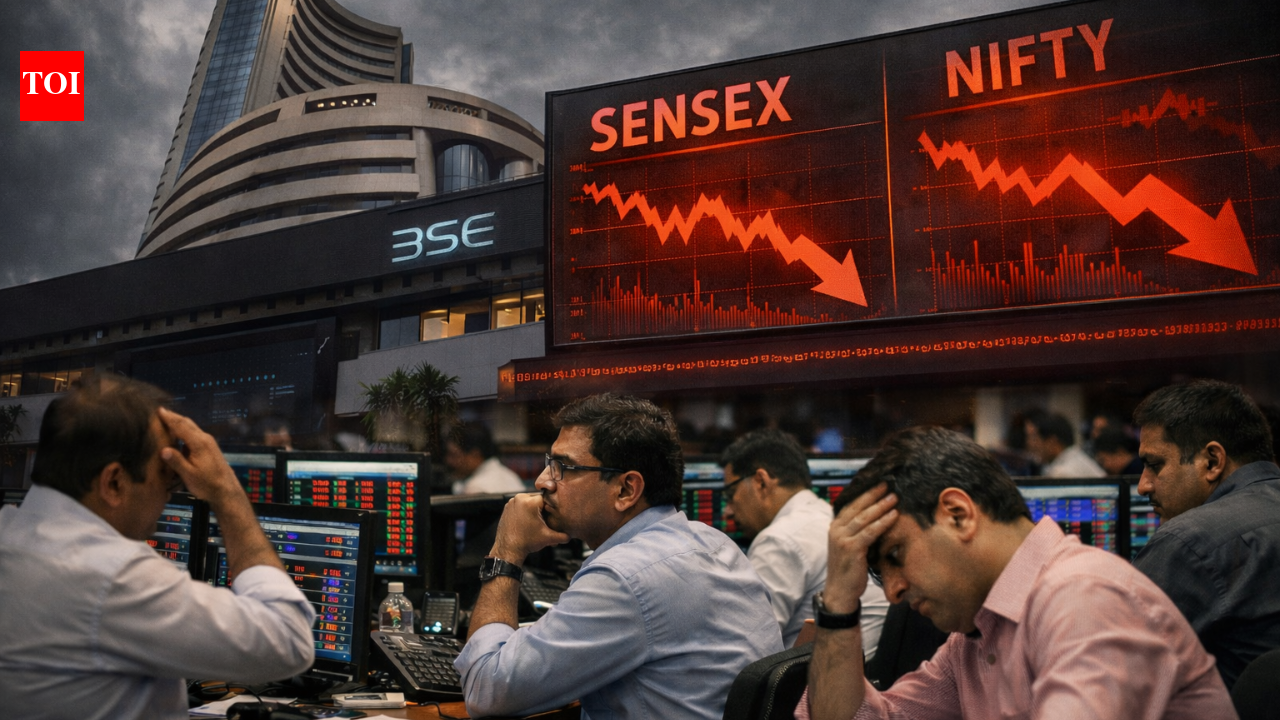
While month-to-month moves are common, the factors driving this decline are notable because they combine domestic and global pressure points. Sustained foreign portfolio investor (FPI) selling has been a central theme, reducing liquidity support at a time when global risk appetite is already uneven.
Key drivers: FPI outflows, rupee stress and global uncertainty
Market commentary has linked the weakness to ongoing FPI sell-offs and a depreciating rupee, alongside subdued corporate earnings in some pockets. Together, these dynamics can create a feedback loop: weaker currency and outflows unsettle sentiment, sentiment raises volatility, and volatility encourages more caution from marginal buyers.
Global cues have also played an outsized role. Rising geopolitical tensions and renewed concerns around international tariffs have been cited as risk factors. For India, which is increasingly integrated with global capital and supply chains, these external shocks can influence flows, commodity expectations, and sector-level earnings assumptions.
What investors will watch next
In the near term, markets are likely to track two broad questions: whether earnings momentum stabilises and whether global risk conditions ease. Investors will also watch whether the rupee finds firmer footing and whether foreign flows return once valuations reprice. A sharper domestic growth signal or a supportive policy backdrop can help, but external risk can still dominate day-to-day direction.
For retail investors, the episode is a reminder that even strong structural stories can be interrupted by global risk cycles. For companies, it raises the cost of complacency: when sentiment turns, the market tends to reward resilient balance sheets, credible guidance and clear visibility on demand. The January slide is not a verdict on the economy by itself, but it is a warning that global risk transmission remains real.