PM Modi urges first-time voters to register as soon as they turn 18 in Mann Ki Baat
In his 25 January 2026 Mann Ki Baat address, Prime Minister Narendra Modi asked eligible youth to register as voters as soon as they turn 18, describing participation in elections as a constitutional duty and a way to strengthen democratic institutions.
Focus on youth participation and voter registration
Prime Minister Narendra Modi used his Mann Ki Baat address on 25 January 2026 to encourage young Indians who have reached voting age to register without delay. Emphasising the importance of civic engagement, he asked first-time voters to treat enrolment as a key step in participating in the democratic process and helping shape the country’s future.
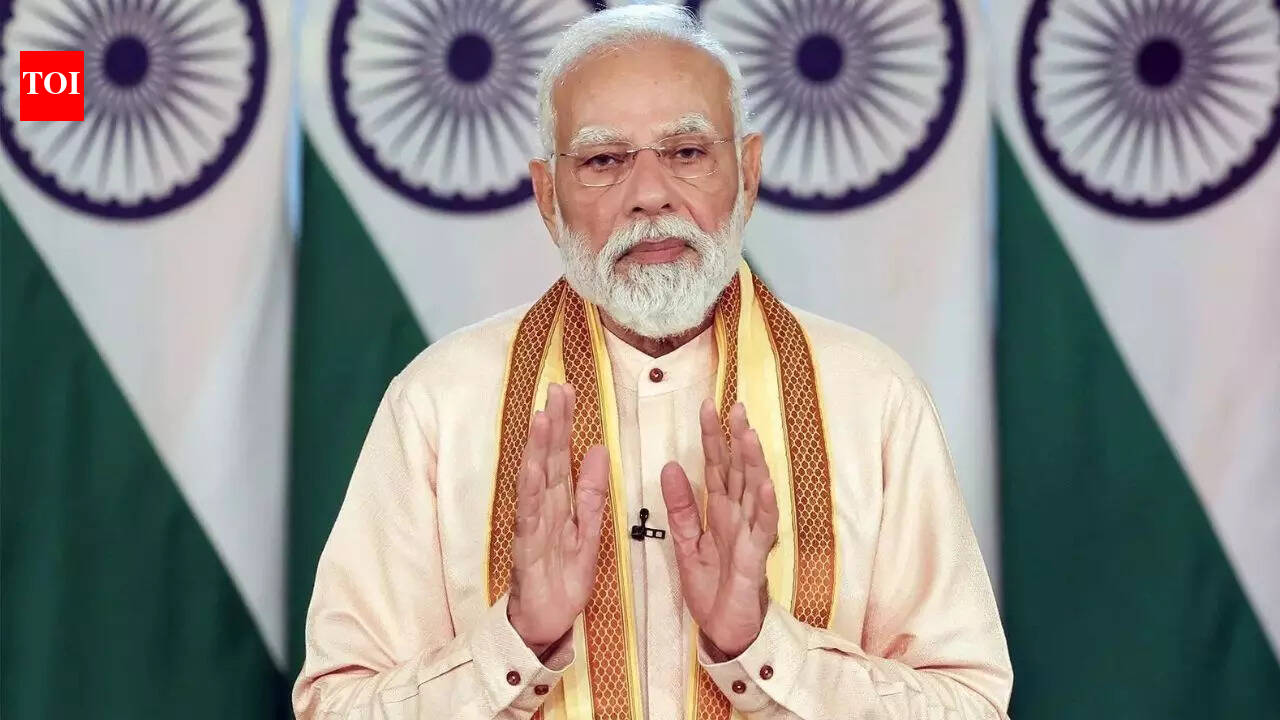
The appeal aligns with a recurring theme in the Prime Minister’s public messaging: expanding participation in institutions through awareness, enrolment drives and increased involvement of young citizens. The voter-registration push is particularly relevant because many eligible 18-year-olds can remain outside rolls unless they actively apply, even as they become eligible to vote.
Why voter enrolment matters ahead of elections
Voter registration is the gateway to electoral participation. Without being on the rolls, eligible citizens cannot vote, and late enrolment can become a logistical challenge close to polling dates. Encouraging early registration also helps election administrators maintain more accurate rolls, reduce last-minute corrections and plan better for booths, staffing and outreach.
In his remarks, Modi framed voting as not only a right but also a civic responsibility, arguing that the strength of democracy depends on participation across age groups and regions. The message was targeted at young citizens, who are often first-time voters and can influence political priorities by voting in large numbers.
How the message is likely to be operationalised
Typically, such calls are followed by greater attention to enrolment drives through educational institutions, public campaigns and digital platforms supported by election authorities. The aim is to simplify the process, spread awareness about deadlines and ensure that youth from remote or underserved areas can complete documentation and verification in time.
The broader political significance of the appeal lies in normalising participation and reminding citizens that democratic processes require continual engagement—not only during election seasons, but also through year-round civic awareness and institutional trust-building.