Seating row dispute erupts at Republic Day parade as Congress and BJP trade charges over protocol
A fresh political spat broke out during the Republic Day celebrations in New Delhi after the Congress objected to the seating allocation for Rahul Gandhi and party chief Mallikarjun Kharge at the parade. Congress leaders alleged the placement violated protocol and reflected disrespect toward opposition positions, while the BJP dismissed the claims and defended the arrangement—turning a ceremonial setting into a new flashpoint in an already polarised political climate.
A ceremonial event becomes a political battleground
India’s Republic Day parade is designed as a national, above-party ceremony. Yet on Monday, 26 January 2026, it also became the setting for a familiar political contest: symbols, status and perceived slights. The Congress questioned why Leader of Opposition in the Lok Sabha Rahul Gandhi and Congress president Mallikarjun Kharge were seated in the third row during the parade at Kartavya Path, alleging that the placement did not reflect established protocol or democratic norms.
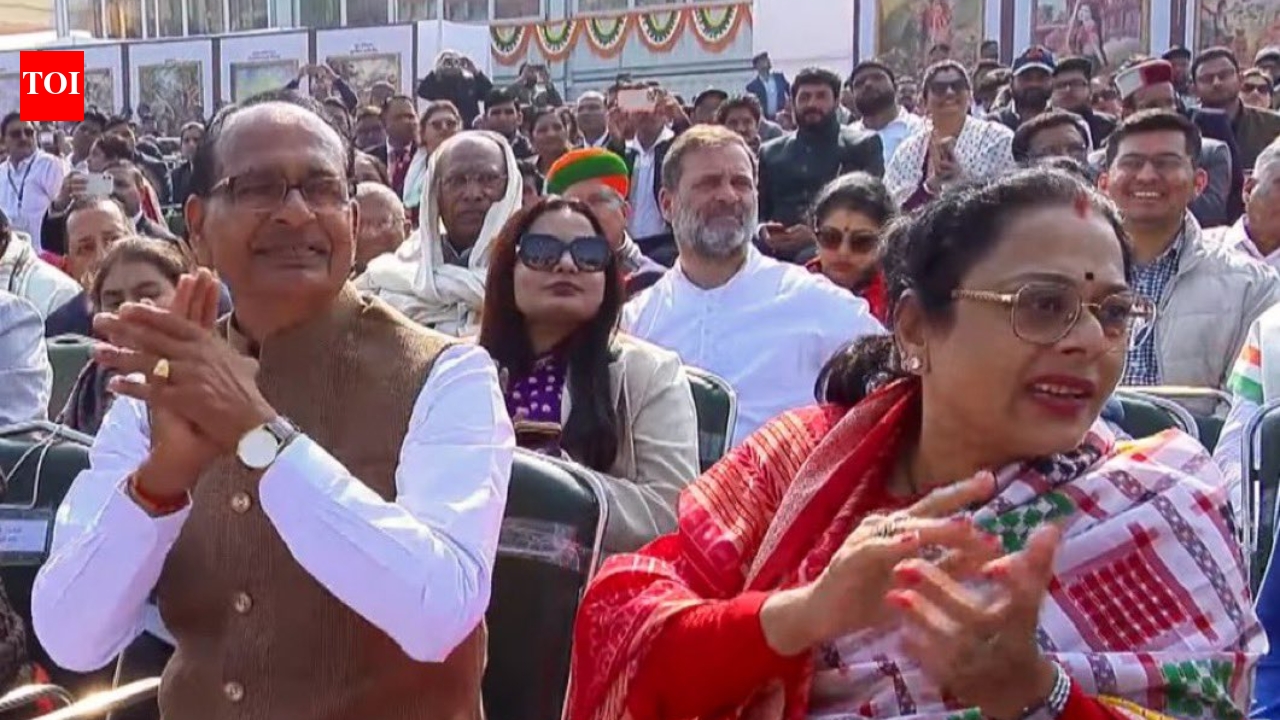
The BJP responded by rejecting the allegations and defending the seating arrangement, pushing back on the suggestion that the decision was an intentional insult. The dispute quickly moved from a narrow question—who sits where—into a broader argument over how the opposition is treated in national events and how institutions interpret precedent.
Why seating arrangements matter in politics
In India’s political theatre, the optics of proximity carry meaning. Seating order at major state functions is often read as an informal scoreboard of influence and recognition, particularly when televised images are repeated across news cycles. For opposition leaders, being placed farther from the centre of the stage can be interpreted as a public diminution of office, even if planners cite logistical or security considerations.
Congress leaders framed the issue as a signal of the government’s approach to parliamentary democracy—arguing that roles like the Leader of Opposition should receive visible acknowledgment in national ceremonies. By raising the dispute publicly, the party sought to convert an immediate grievance into a narrative about institutional respect and fair treatment.
The BJP’s pushback and the larger context
The BJP’s rebuttal centred on the claim that Congress was politicising a national event and reading malice into administrative decisions. By challenging Congress’s assertions, the ruling party aimed to limit the controversy’s resonance and prevent the optics debate from becoming a sustained talking point.
Still, this kind of clash is rarely just about a seat. It reflects a larger reality: political competition increasingly plays out through symbolism—ceremonies, protocol, social media images and televised frames. Republic Day offered a unifying national story, but it also provided a stage where competing narratives about power and respect could be instantly amplified.
Whether the controversy fades quickly or returns in future state events, it underlines how even routine protocol decisions can be interpreted as political statements in a highly charged environment.