Budget Session build-up: Rijiju to chair all-party meet on Jan 27 ahead of Parliament sitting from Jan 28
Ahead of the Budget Session beginning January 28, Union Parliamentary Affairs Minister Kiren Rijiju is scheduled to hold an all-party meeting on January 27 with floor leaders of both Houses. The session is expected to run in two phases, and the Union Budget 2026-27 is slated to be presented on February 1.
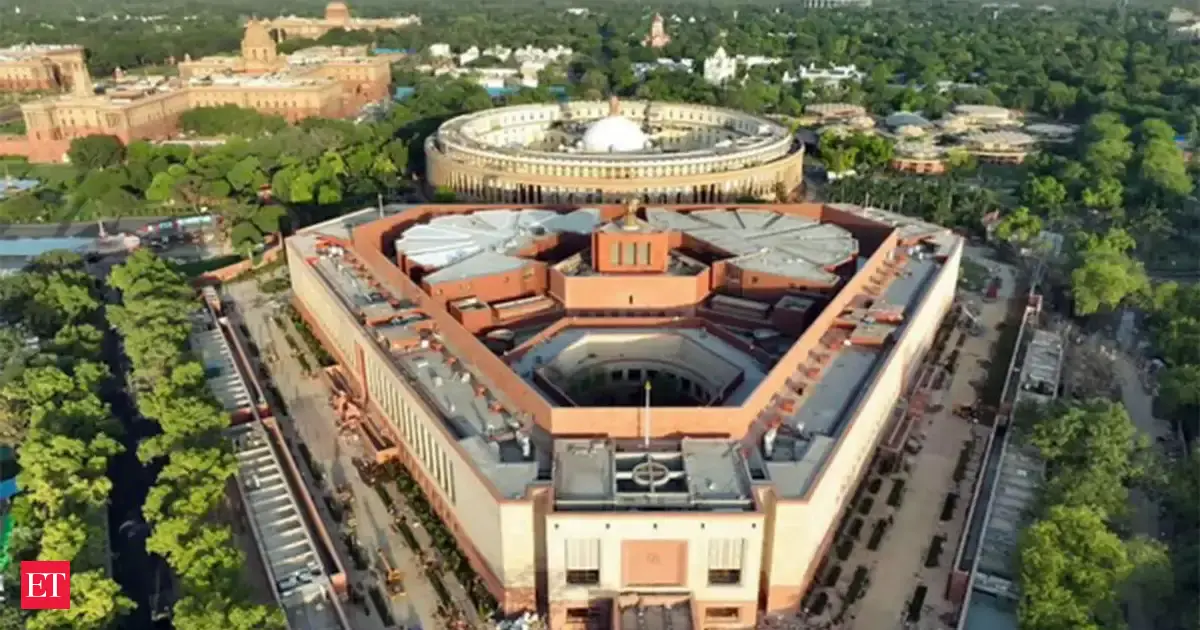
With the Budget Session set to begin on Wednesday, January 28, Union Parliamentary Affairs Minister Kiren Rijiju is scheduled to convene an all-party meeting on Tuesday, January 27, bringing together floor leaders of both Houses. The meeting is aimed at smoothing legislative coordination and discussing key national issues and parliamentary business that could come up during the session, as the government and opposition prepare for the annual budget exercise and related debates.
What the meeting is for
The all-party interaction is expected to focus on the agenda for the Budget Session, including potential points of contention, time management and the broader legislative calendar. The meeting is slated to be held in Parliament’s main committee room, according to the report, and is expected to help set expectations for the session’s workflow before the Houses formally assemble.
Session dates and Budget timeline
The Budget Session is scheduled to commence on January 28 and continue until April 2, with a break in between. The first phase is slated from January 28 to February 13, and the second phase from March 9 to April 2. The Union Budget for 2026–27 is due to be presented on February 1, making the opening fortnight of the session especially politically charged as parties position themselves on spending priorities, taxation and economic direction.
President’s address to start the session formally
As is customary, the session will formally open with the President of India addressing members of the Lok Sabha and the Rajya Sabha. The address traditionally outlines the government’s broad policy priorities and provides the first major political flashpoint of the session, often prompting responses and counter-narratives from opposition parties.
Why it matters politically
All-party meetings ahead of a major session are used to signal cooperation or confrontation. Even when consensus is limited, they serve as a temperature check for floor strategy: how the government plans to steer debate, how opposition parties may coordinate disruptions or demands, and what issues are likely to dominate headlines once the Houses begin proceedings. With Budget 2026–27 due February 1, the pre-session choreography on January 27 becomes an important marker for how smooth or stormy the coming weeks in Parliament could be.