Protests flare up over UGC’s 2026 equity regulations, with students seeking withdrawal and safeguards
Opposition grew on 28 January 2026 to the UGC’s 2026 regulations on equity and anti-discrimination in higher education institutions, with demonstrations reported in multiple states and in Delhi. Protesters argued the rules could be misused and demanded changes, while sources indicated the government may clarify its stance. The controversy has pushed campus governance and grievance redressal into the political spotlight.
Protests against the University Grants Commission’s 2026 regulations on equity and anti-discrimination continued to spread on Wednesday, 28 January 2026, with demonstrations reported in Delhi and several states. Students and community groups demanded the withdrawal of the new rules, alleging that the regulations could be misused and that safeguards against false complaints are inadequate. The issue has quickly turned into a high-visibility political flashpoint because it touches admissions, campus discipline and grievance systems across India’s universities.
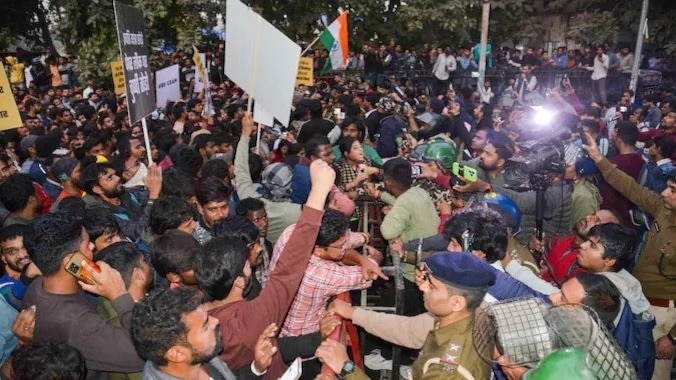
A live update report described student protests in Delhi and also tracked demonstrations in other regions, including Rajasthan, where protesters submitted a memorandum addressed to the President and the Prime Minister. Participants carried placards, raised slogans and warned that agitation could intensify if the regulations are not rolled back. The protests have been framed by organisers as a defence of procedural fairness, particularly around how complaints are assessed and what protections exist for those accused.
Government response awaited amid widening debate
The same report said sources indicated the government is expected to clarify its position as concerns rise, and that discussions are underway within the ministry to review aspects of the issue before any formal response. In policy disputes of this kind, the centre of the debate often shifts to implementation details: who investigates complaints, what timelines apply, what evidentiary standards are used, and how institutions ensure both protection from discrimination and due process.
Supporters of stronger equity rules argue that clear anti-discrimination frameworks and enforceable mechanisms are essential for student safety and inclusion. Critics, meanwhile, say the regulations must build robust checks to prevent misuse and protect academic communities from polarisation. Universities are watching closely because the operational impact can be significant, including mandatory committees, reporting requirements and new disciplinary procedures.
What campuses are likely to do next
- Seek official clarifications from the UGC and the education ministry on contested clauses and procedures.
- Hold stakeholder meetings with student unions, faculty and administrators to align on implementation.
- Review internal grievance systems to ensure transparent processes, documentation and appeal routes.
For protesters, the immediate demand is either a rollback or substantial amendments. For policymakers, the challenge is balancing strong protections for vulnerable groups with credible, trusted grievance processes that reduce the risk of conflict and build confidence across campuses.