Republic Day 2026 prompted political leaders across parties to foreground constitutional ideals, equality and democratic norms. In Uttar Pradesh, leaders used the occasion to pay tributes to freedom fighters, emphasise unity and urge citizens to safeguard democracy and the Constitution.
Republic Day observances across India featured leaders urging protection of constitutional values, with parties and state leaders using the occasion to reinforce their political messages on democracy and equality.
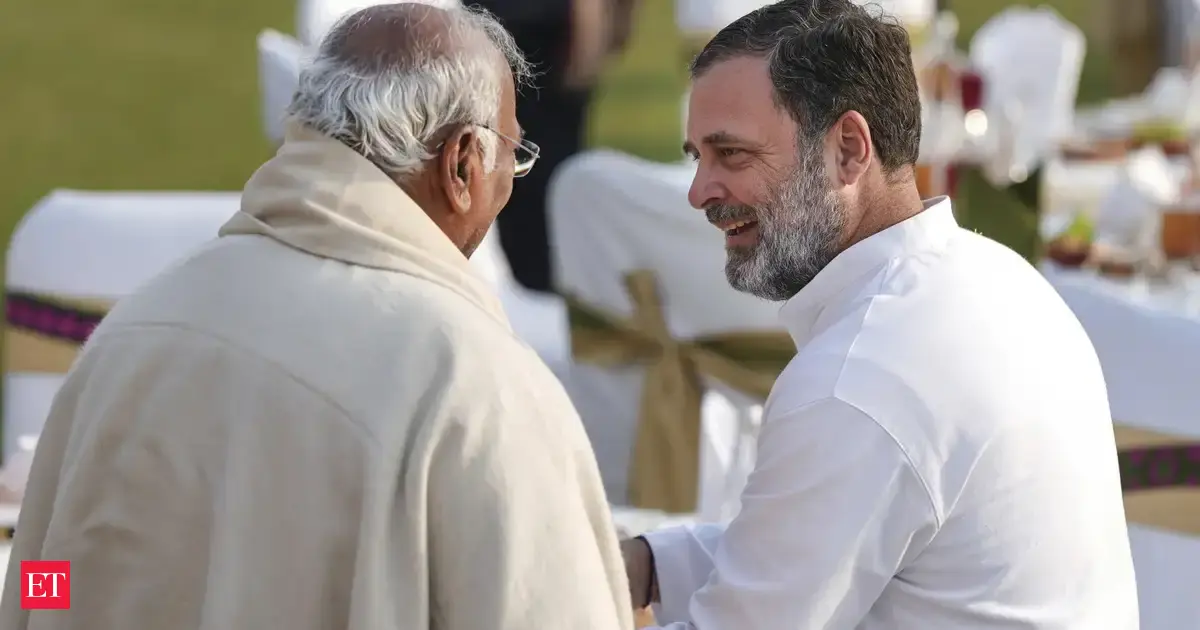
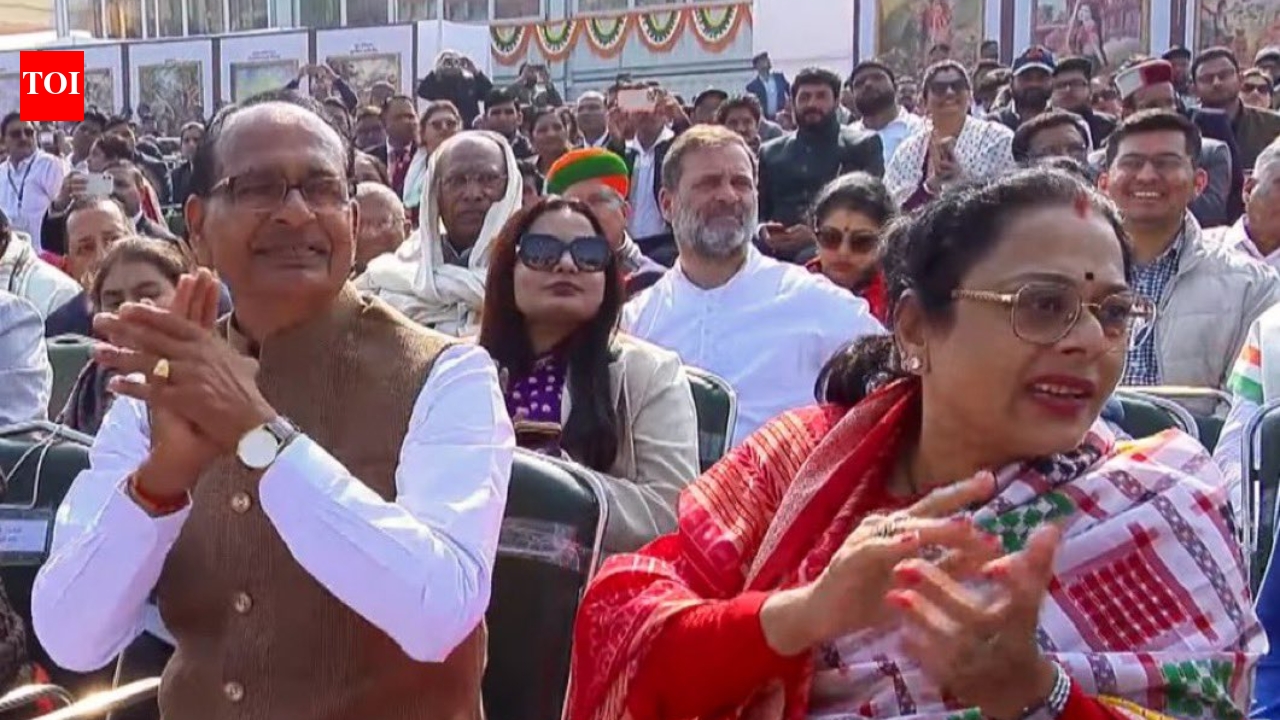
On 26 January 2026, Congress president Mallikarjun Kharge and Lok Sabha opposition leader Rahul Gandhi attended the Republic Day parade and publicly reiterated a message focused on protecting the Constitution. The statements sought to frame Republic Day as a reminder of constitutional ideals and democratic safeguards, positioning the event as both a national celebration and a moment of political messaging.
Andhra Pradesh Chief Minister N. Chandrababu Naidu asked officials to expand technology-driven governance and increase the use of AI tools for faster service delivery and grievance redressal. He also stressed training, audits and the scaling of digital service platforms across departments.
As India moves from the Winter Session into the 2026 Budget Session, several high-stakes proposals—including the One Nation One Election plan—remain under committee review. The One Nation One Election bills are with a Joint Parliamentary Committee that has an extended deadline tied to the Budget Session timeline.
On Republic Day 2026, political leaders in Uttar Pradesh framed the occasion as a pledge to protect the Constitution. Statements and ceremonies across parties highlighted constitutional ideals, unity and calls to defend democratic institutions.
A fresh political spat broke out during the Republic Day celebrations in New Delhi after the Congress objected to the seating allocation for Rahul Gandhi and party chief Mallikarjun Kharge at the parade. Congress leaders alleged the placement violated protocol and reflected disrespect toward opposition positions, while the BJP dismissed the claims and defended the arrangement—turning a ceremonial setting into a new flashpoint in an already polarised political climate.
Security agencies heightened alerts ahead of Republic Day after intelligence inputs pointed to a suspected terror conspiracy, according to a report that said Delhi Police issued a wanted notice for a man linked to AQIS amid concerns of attacks timed around 26 January.
Delhi Police put a large, multi-layer security plan in place for Republic Day 2026, deploying over 30,000 personnel citywide and concentrating forces around the ceremonial route and high-security zones in the New Delhi district. Officials said technology support, including AI-based surveillance, was used alongside physical checks to deter threats and manage crowds.
Security agencies in Delhi intensified checks and monitoring after intelligence inputs warned of a possible coordinated terrorist attack on or before 26 January 2026. NDTV reported that the alert referred to a ‘26-26’ code and suggested potential threats to multiple locations, alongside heightened vigilance at transit hubs and entry points. Authorities also circulated posters of wanted individuals as part of wider security measures before Republic Day.
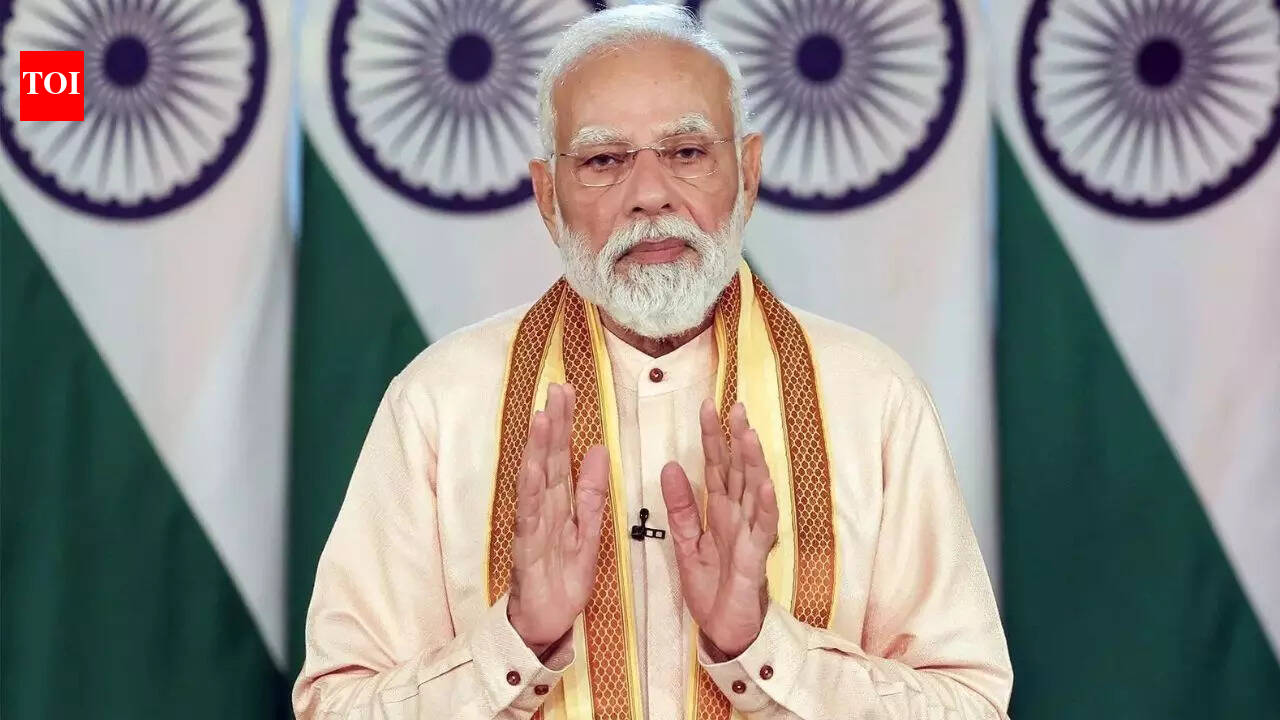
In the 130th Mann Ki Baat episode on Jan 25, 2026, PM Narendra Modi urged eligible youth to register as voters, linking National Voters’ Day and Republic Day to the Constitution and civic responsibility.
The Union Home Ministry’s Republic Day tableau is set to showcase the nationwide implementation of three new criminal laws, highlighting a move towards a modern, technology-driven and time-bound justice system.