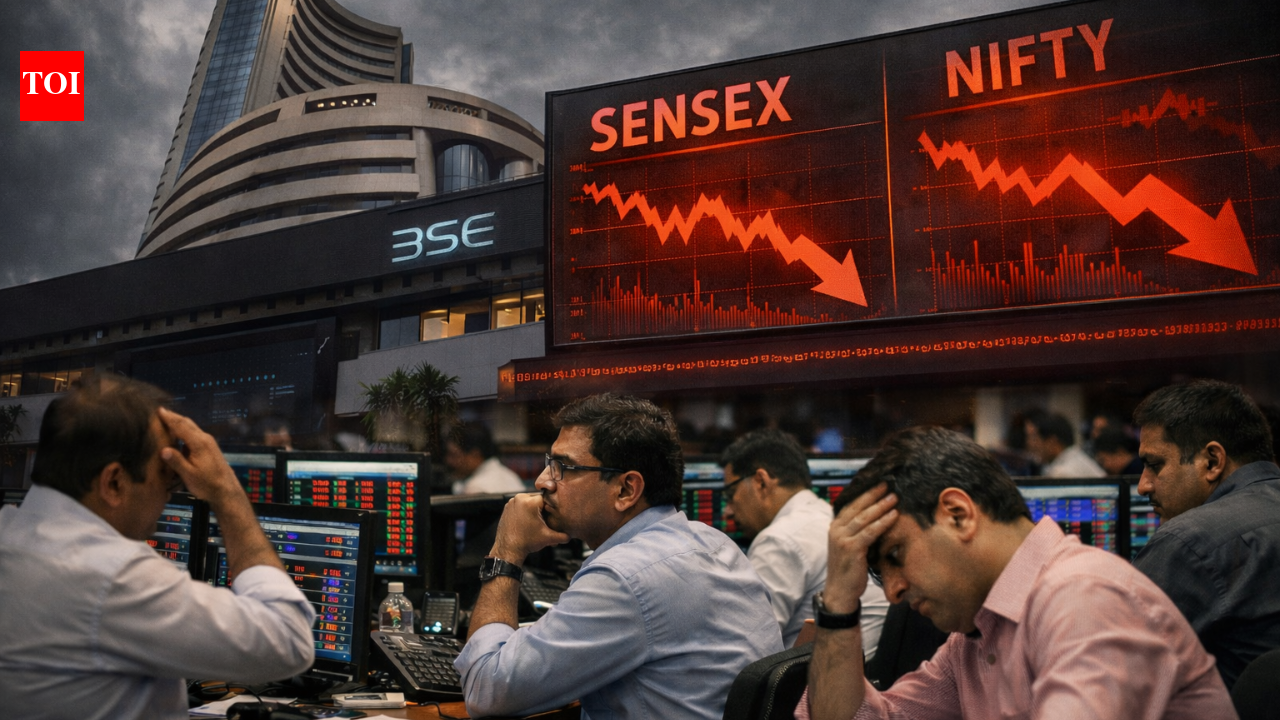
Indian equities remained under pressure through January 2026, with benchmark indices down more than 4% amid sustained foreign outflows, a weak rupee, muted earnings, and global risk-off cues ahead of the Union Budget.
India’s benchmark indices fell more than 4% through January 2026, with market commentary pointing to sustained foreign portfolio investor selling, rupee weakness, muted corporate earnings and global uncertainties. Traders are now watching whether the typical pre-Budget season pattern—sharp January weakness followed by a rebound—repeats this year.
The RBI has amended foreign trade rules to encourage rupee-denominated trade by giving exporters more time to realise export proceeds when invoices are raised and settled in Indian rupees. The move is positioned as part of efforts to internationalise the rupee.
India’s benchmark indices have fallen more than 4% so far in January 2026, with market participants citing sustained FPI selling, a weakening rupee, muted earnings and global uncertainties including geopolitical tensions and tariff worries. Investors are now watching whether sentiment turns ahead of the Union Budget.
A flash PMI survey showed India’s private-sector activity picked up pace in January, supported by stronger new orders and improved demand. Firms stepped up hiring as both manufacturing and services expanded, keeping overall momentum firmly in growth territory.
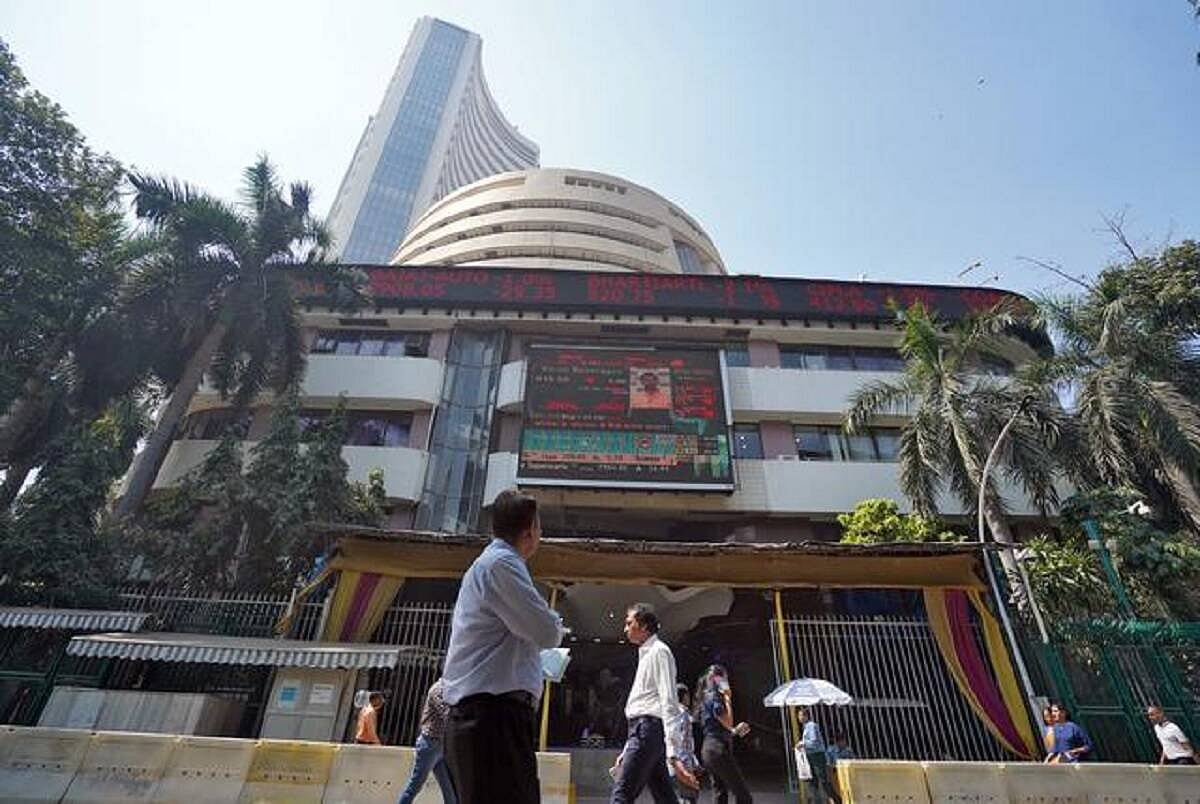
BSE and NSE remained closed on Monday, 26 January 2026, as India observed Republic Day. The holiday covers equities and derivatives segments, pausing trading activity for the day and pushing normal market operations to the next working session—an important detail for investors planning settlements, expiries and near-term positioning.
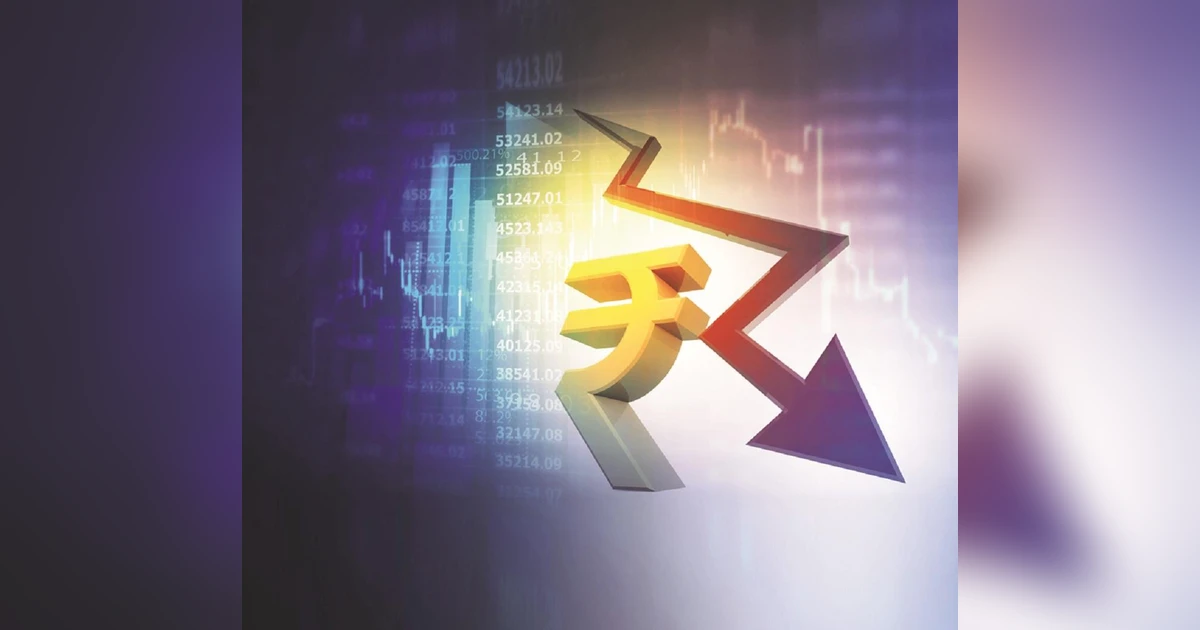
The rupee breached the 91-per-dollar level as risk-off sentiment, foreign portfolio outflows and global trade tensions weighed on the currency, according to a report that also pointed to continued investor demand for safe-haven assets.
India’s benchmark equity indices fell more than 4% in January 2026, weighed down by foreign portfolio investor outflows, rupee weakness, subdued earnings and global uncertainty. Analysts said markets often turn volatile around the pre-Budget stretch, with investors watching for cues on growth support, fiscal discipline and macro stability in the Union Budget 2026–27.
Indian equities saw a rough start to 2026, with Sensex and Nifty down more than 4% so far in January. A mix of persistent foreign portfolio investor selling, a weakening rupee, muted earnings and global uncertainty kept risk appetite low. Market participants are now watching the Union Budget 2026–27 for signals on growth support and macro stability.
Ahead of the Union Budget 2026–27, industry bodies say high input costs and global headwinds are hitting competitiveness; they want GST rationalisation, import duty reforms and faster, tech-enabled customs clearances to boost exports.
Indian equities settled lower after an RBI policy event, with analysts citing persistent foreign selling and mixed earnings as key drags. Several heavyweight stocks declined, while select counters gained on company results.
India is considering a significant reduction in import tariffs on cars from the European Union—down to 40% from as high as 110%—as negotiations for a free trade agreement move closer to a conclusion, according to sources. The proposal, which would initially apply to a limited number of higher-priced vehicles, is being watched closely by global automakers and India’s domestic car industry.